化工进展 ›› 2025, Vol. 44 ›› Issue (4): 2156-2171.DOI: 10.16085/j.issn.1000-6613.2024-0624
原子力显微镜红外光谱和化学成像的技术与应用
贺静( ), 郑娜, 徐丽, 沈素丹, 浦群, 房尔园, 介素云()
- 浙江大学化学工程与生物工程学院,浙江大学化学工程联合国家重点实验室,浙江 杭州 310058
-
收稿日期:2024-04-12修回日期:2024-10-25出版日期:2025-04-25发布日期:2025-05-07 -
通讯作者:介素云 -
作者简介:贺静(1983—),女,硕士,高级工程师,研究方向为仪器测试分析及实验技术。E-mail:0917344@zju.edu.cn。 -
基金资助:浙江大学实验技术重点研究项目(SZD202303)
Techniques and applications of atomic force microscope infrared spectroscopy and chemical imaging
HE Jing(), ZHENG Na, XU Li, SHEN Sudan, PU Qun, FANG Eryuan, JIE Suyun()
- State Key Laboratory of Chemical Engineering, Department of Chemical and Biological Engineering, Zhejiang University, Hangzhou 310058, Zhejiang, China
-
Received:2024-04-12Revised:2024-10-25Online:2025-04-25Published:2025-05-07 -
Contact:JIE Suyun

摘要:
探讨了原子力显微镜红外光谱技术(AFM-IR)的核心机制、技术进展及其在多个学科中的广泛应用。AFM-IR技术融合了原子力显微镜(AFM)的纳米级空间分辨率与红外光谱(IR)的化学分析能力,基于光热诱导共振(photothermal induced resonance,PTIR)原理,其不仅延续了AFM在微观形貌表征上的优势,还克服了传统红外光谱在空间分辨率上的局限,并且补充了AFM在化学组分分析上的空白。文中阐述了AFM-IR的工作原理和三种成像技术(接触、轻敲和峰值力轻敲),随后着重讨论了其在聚合物复合材料、生物组织、环境污染物检测以及压电铁电材料和电池材料表征等领域的应用实例。同时,也提出了AFM-IR技术在提高信噪比和软物质研究中应用的挑战。最后,提出了未来研究方向,以期推动AFM-IR技术的进一步发展,进而促进其在材料的设计与性能优化中发挥更加关键的作用。
中图分类号:
引用本文
贺静, 郑娜, 徐丽, 沈素丹, 浦群, 房尔园, 介素云. 原子力显微镜红外光谱和化学成像的技术与应用[J]. 化工进展, 2025, 44(4): 2156-2171.
HE Jing, ZHENG Na, XU Li, SHEN Sudan, PU Qun, FANG Eryuan, JIE Suyun. Techniques and applications of atomic force microscope infrared spectroscopy and chemical imaging[J]. Chemical Industry and Engineering Progress, 2025, 44(4): 2156-2171.
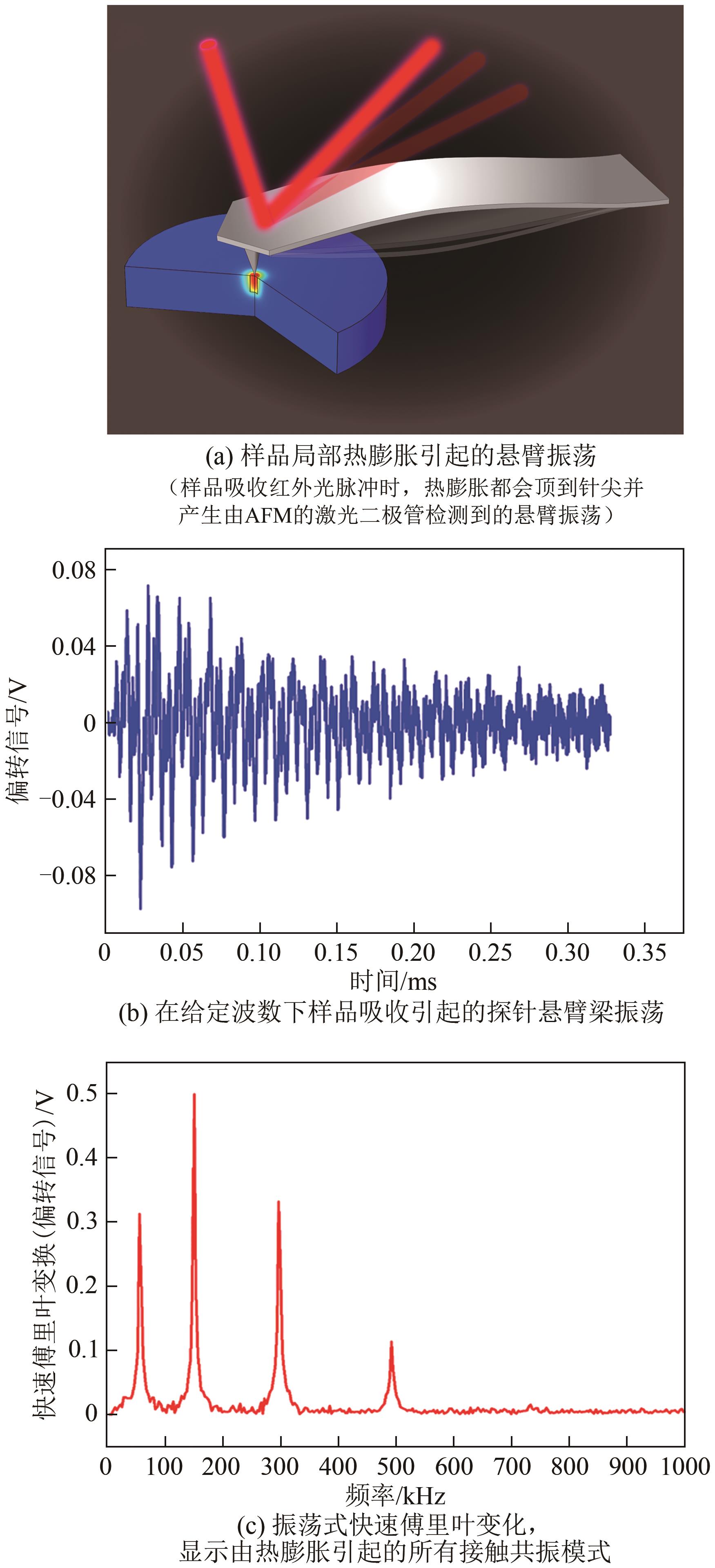
图1 纳米红外的测试原理[6]
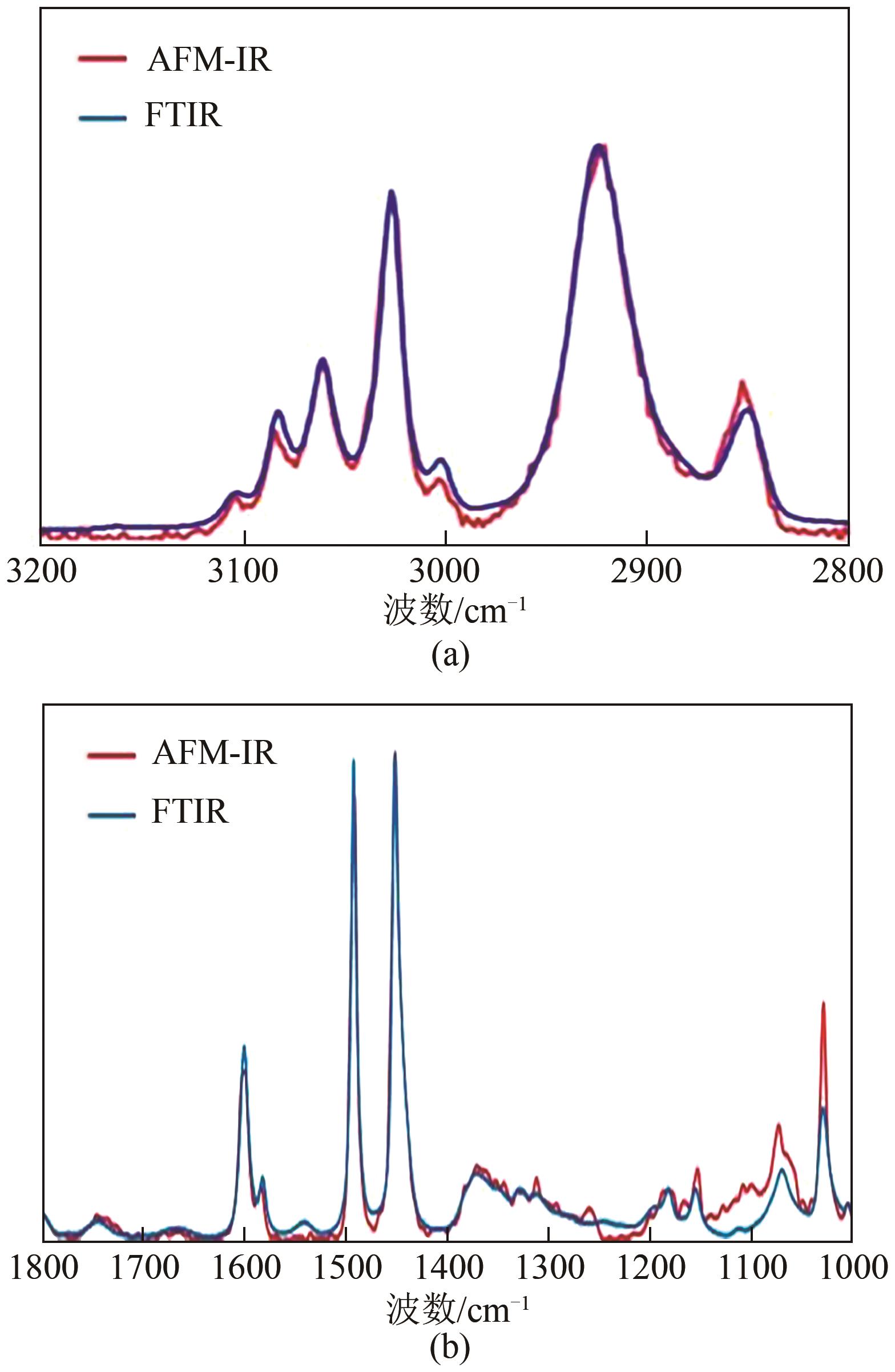
图2 聚苯乙烯上AFM-IR和FTIR红外吸收光谱图的比较[8]
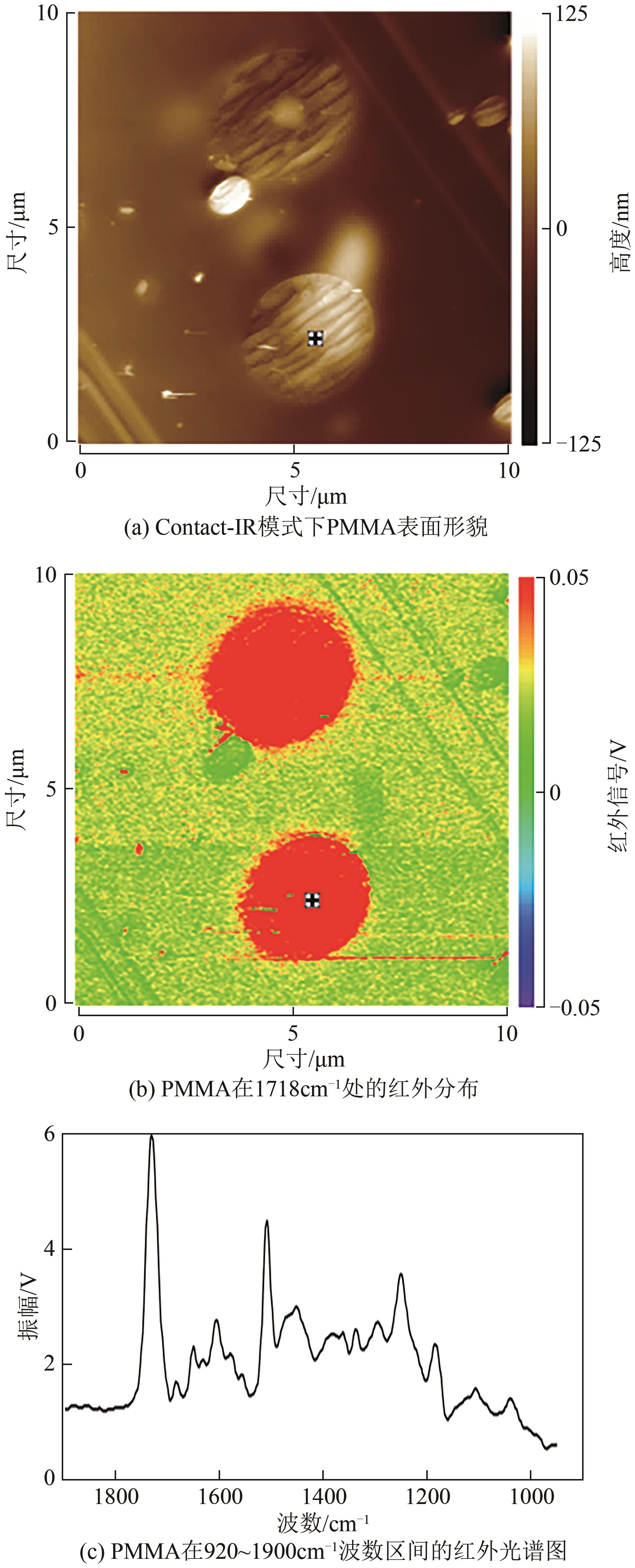
图3 PMMA的Contact-IR模式分析

图4 PMMA的Tapping-IR模式分析
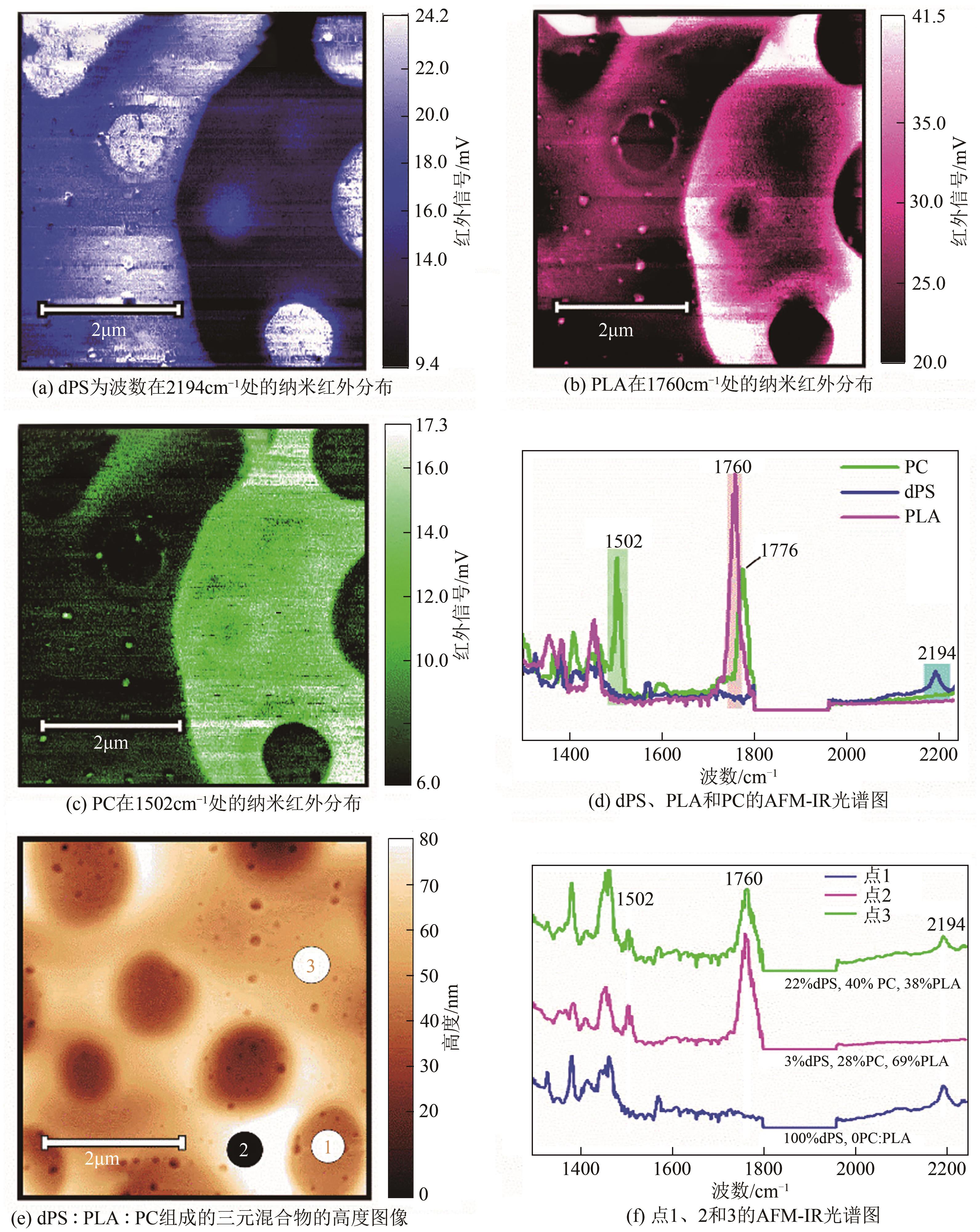
图5 dPS∶PLA∶PC组成的三元混合物AFM-IR分析[18]
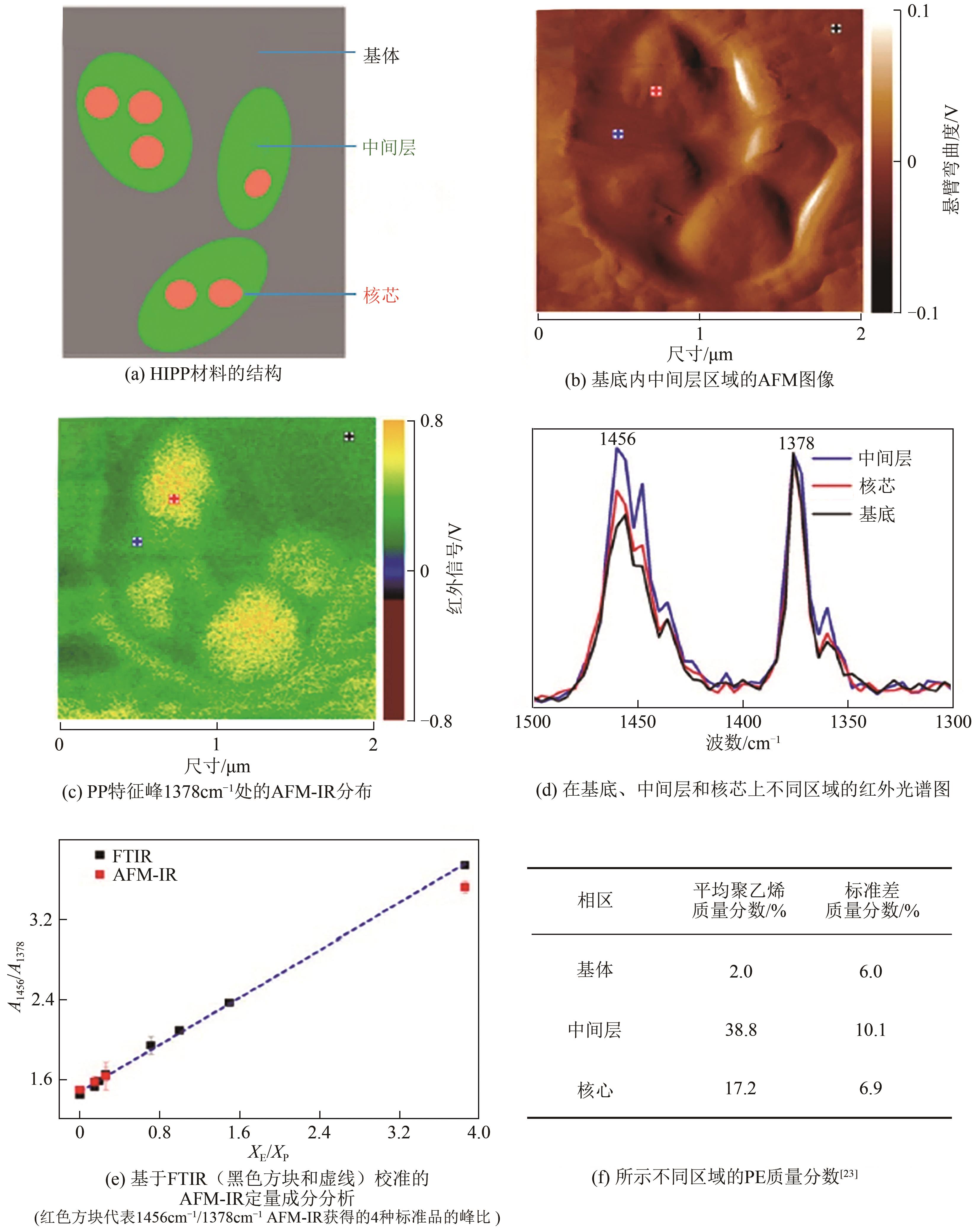
图6 高抗冲聚丙烯(HIPP)聚合物混合物的AFM-IR测量
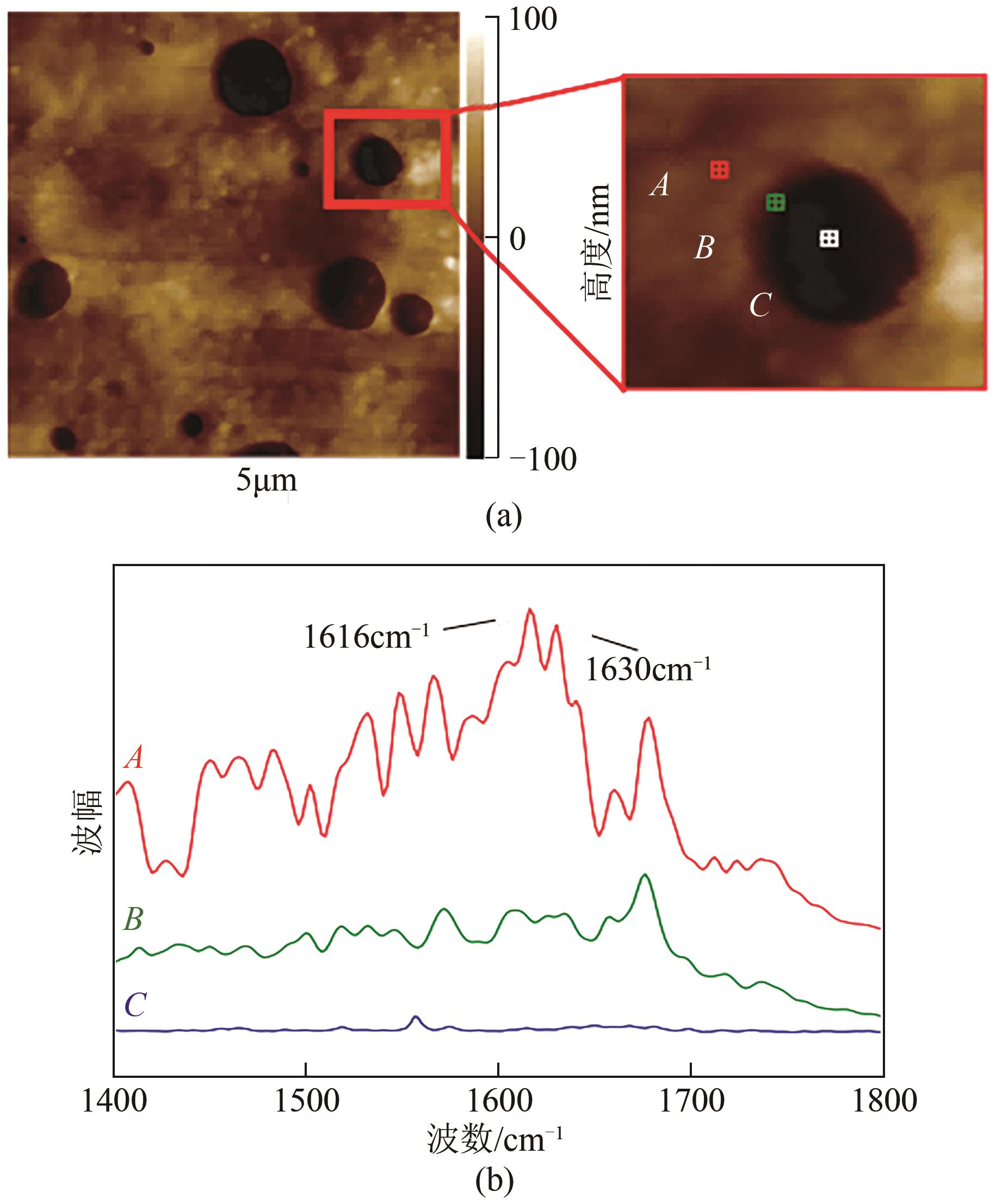
图7 共混物PA6与POE的AFM形貌和不同位置的AFM-IR光谱图[26]
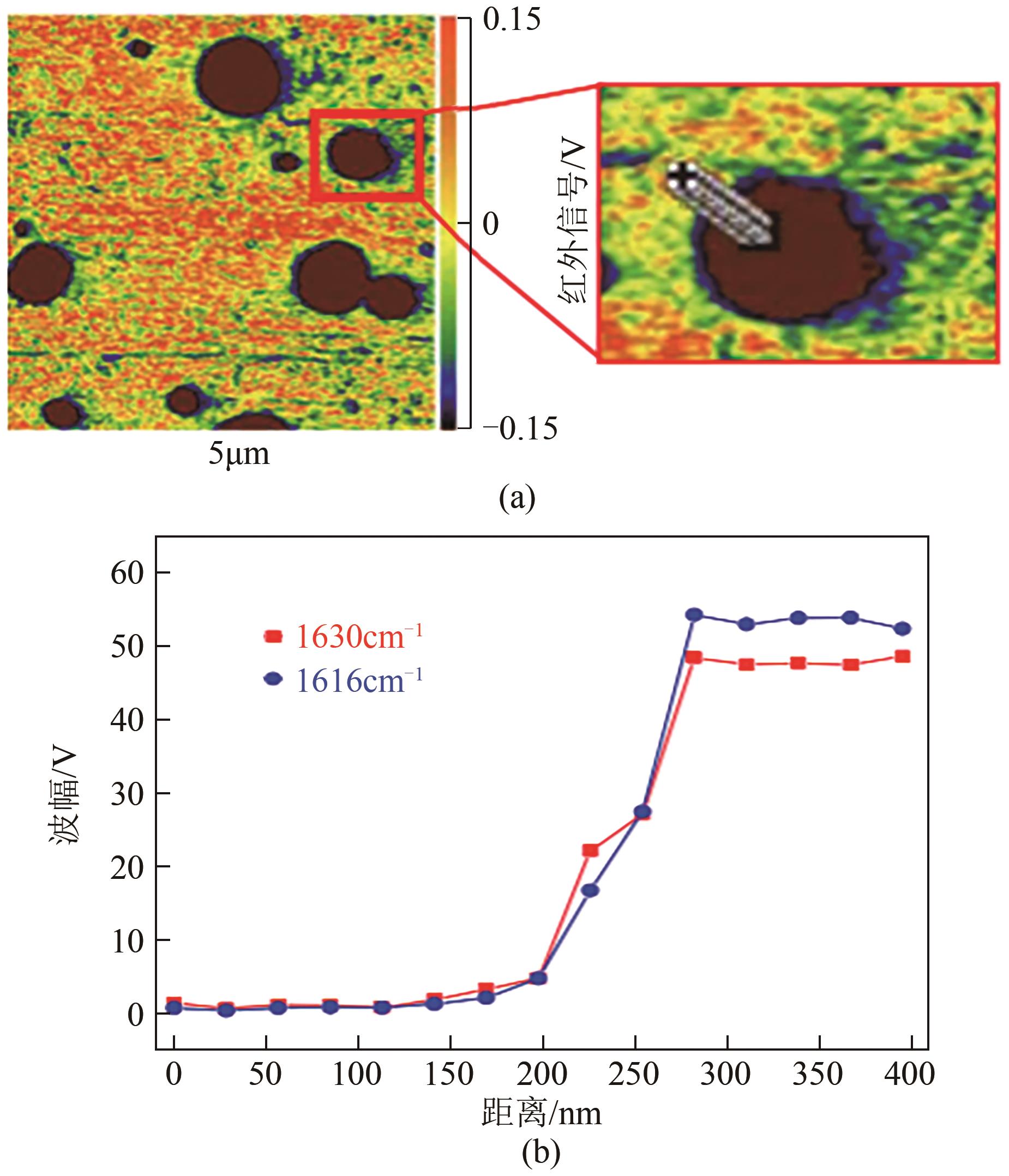
图8 共混物PA6与POE的红外分布和红外信号强度[26]
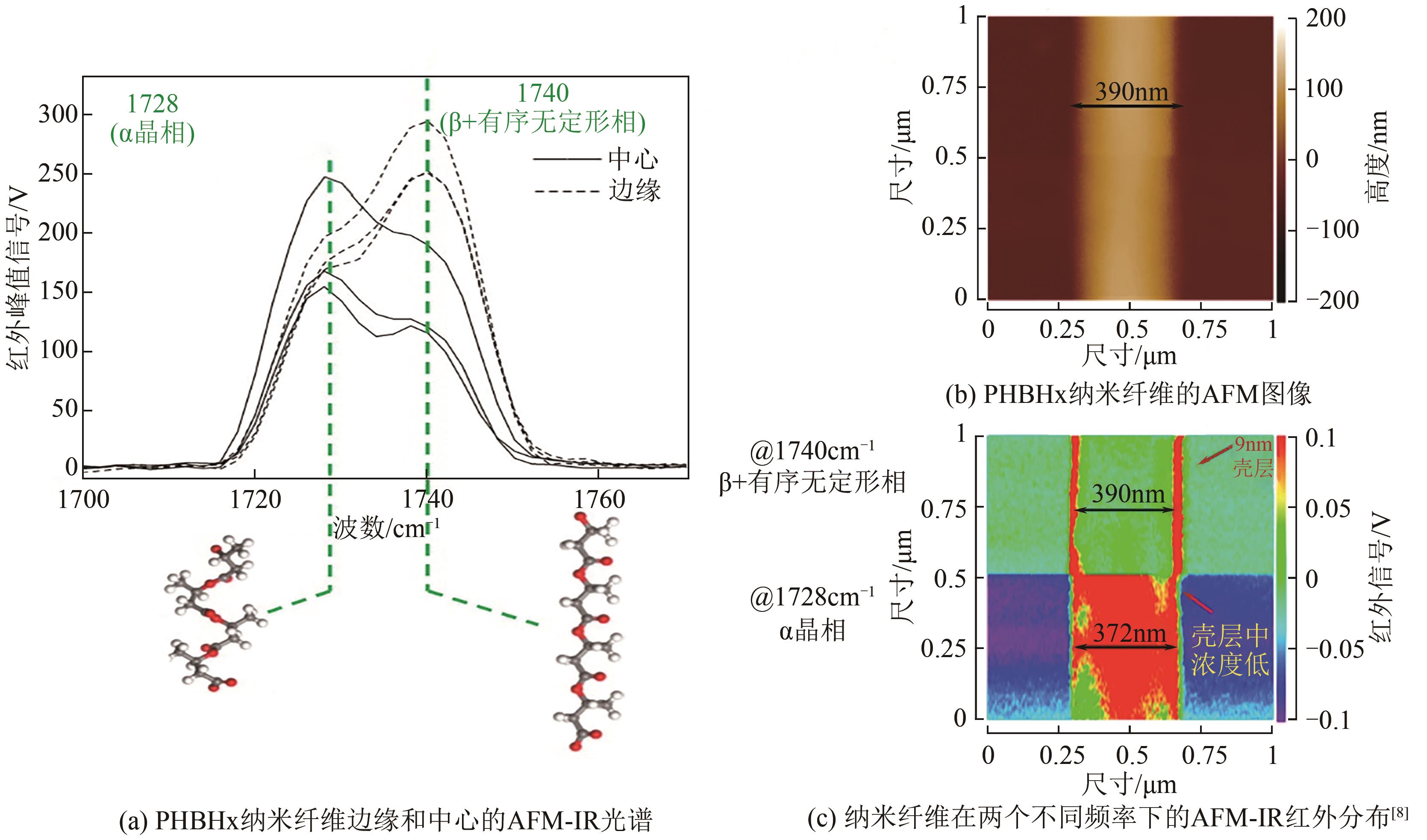
图9 静电纺丝纤维的AFM-IR测量
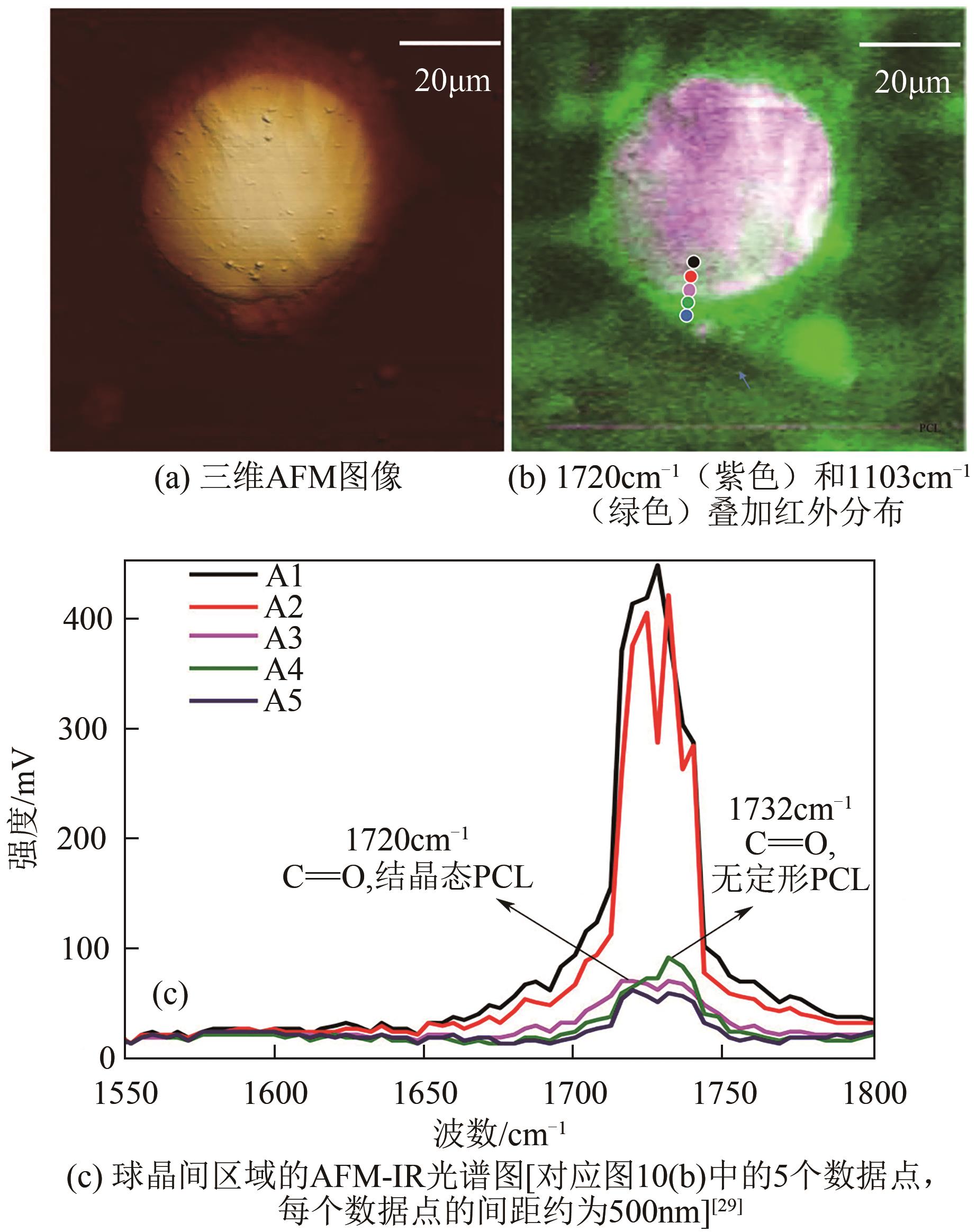
图10 PCL/PEG(50/50)共混物在30℃下等温结晶AFM-IR分析
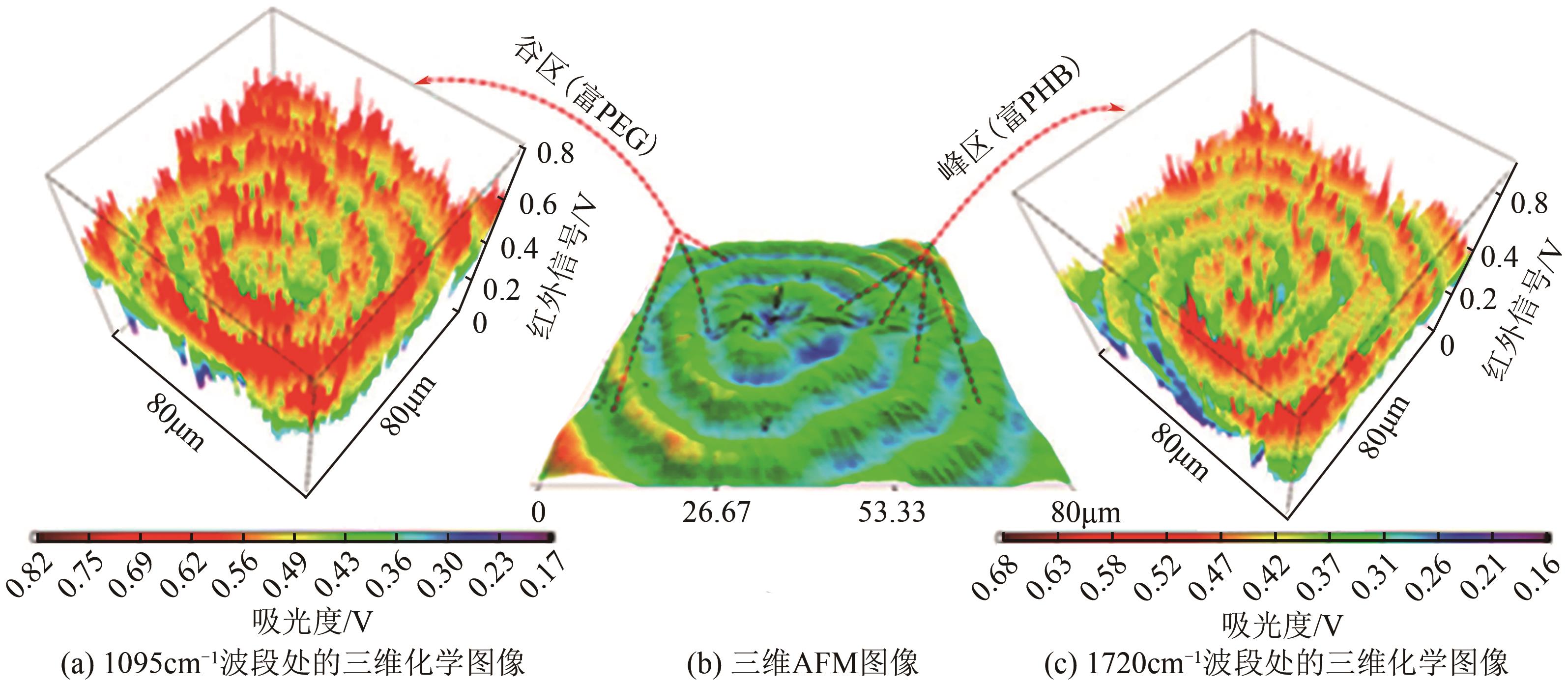
图11 PHB/PEG(50/50)混合物在40°C下等温结晶AFM-IR分析[31]
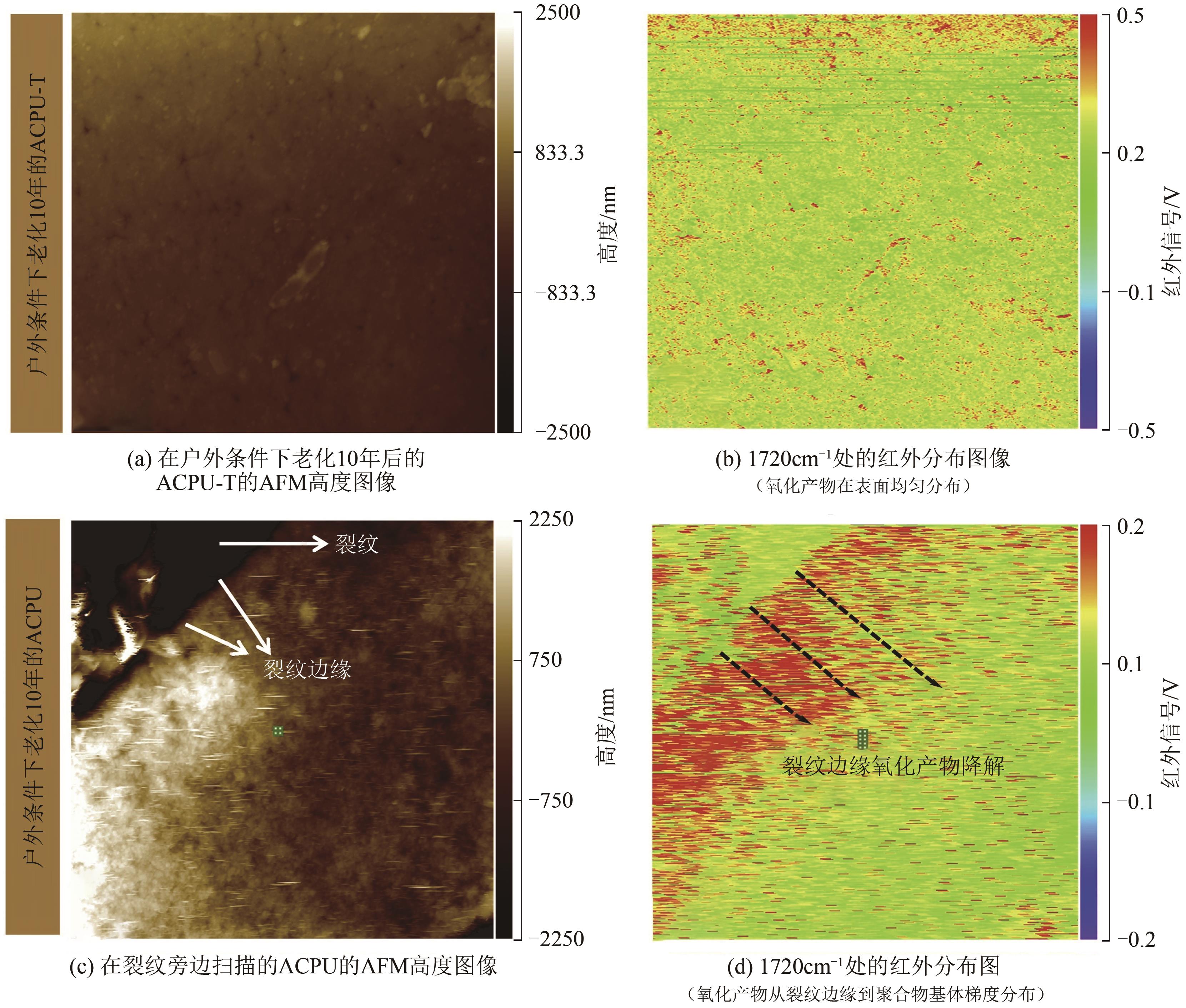
图12 光稳定剂对ACPU涂料老化性能的影响[32](红色表示强红外吸收,绿色表示弱红外吸收;图像尺寸为80μm×80μm)
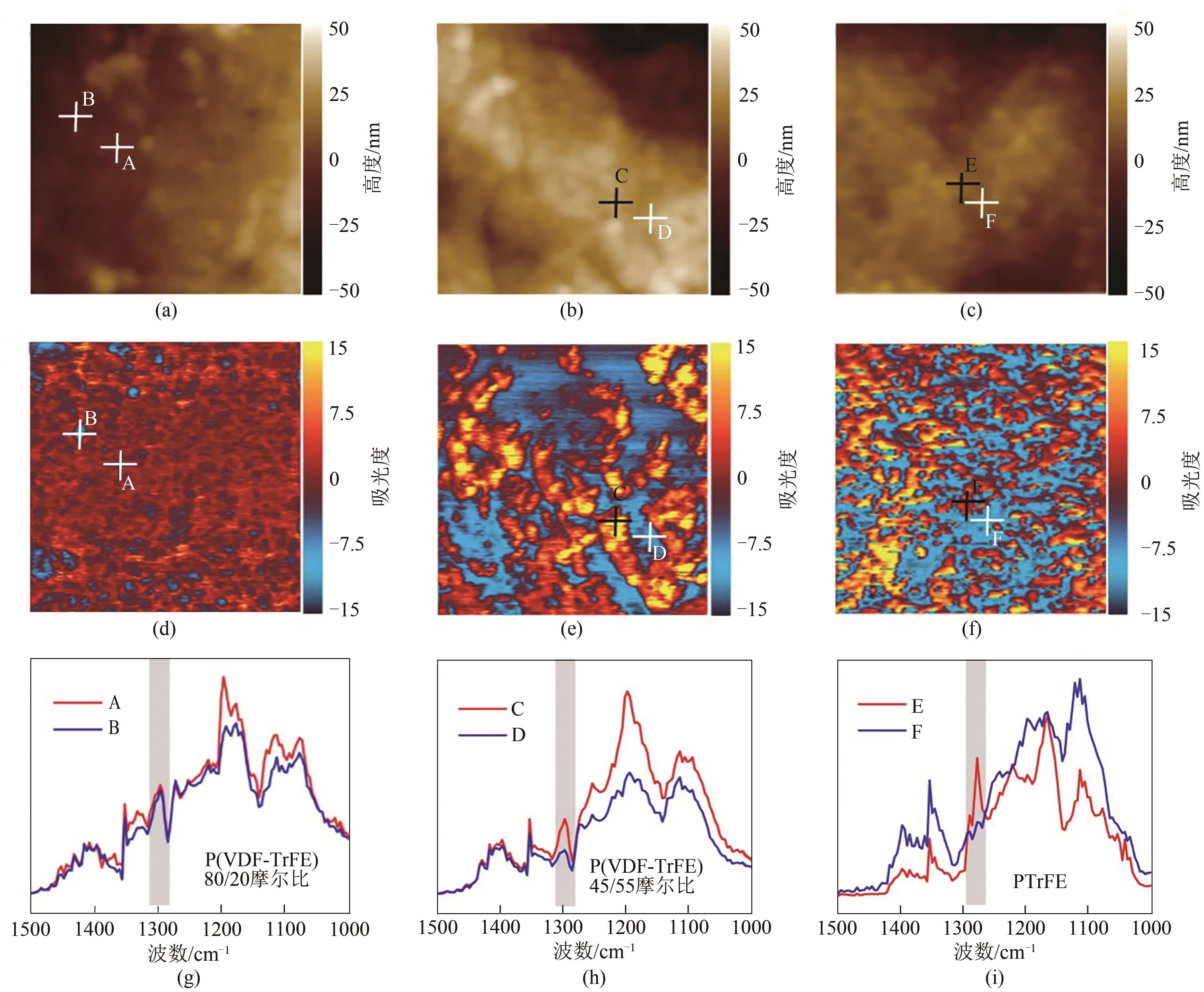
图13 P(VDF-TrFE)(摩尔比80∶20)[(a)、(d)、(g)]、P(VDF-TrFE)(摩尔比45∶55)[(b)、(e)、(h)]及PTrF[(c)、(f)、(i)]的AFM形貌图、在1288cm⁻¹波数下红外分布图和标记位置的局部光谱[(a)~(f)的尺寸为1μm×1μm][33]
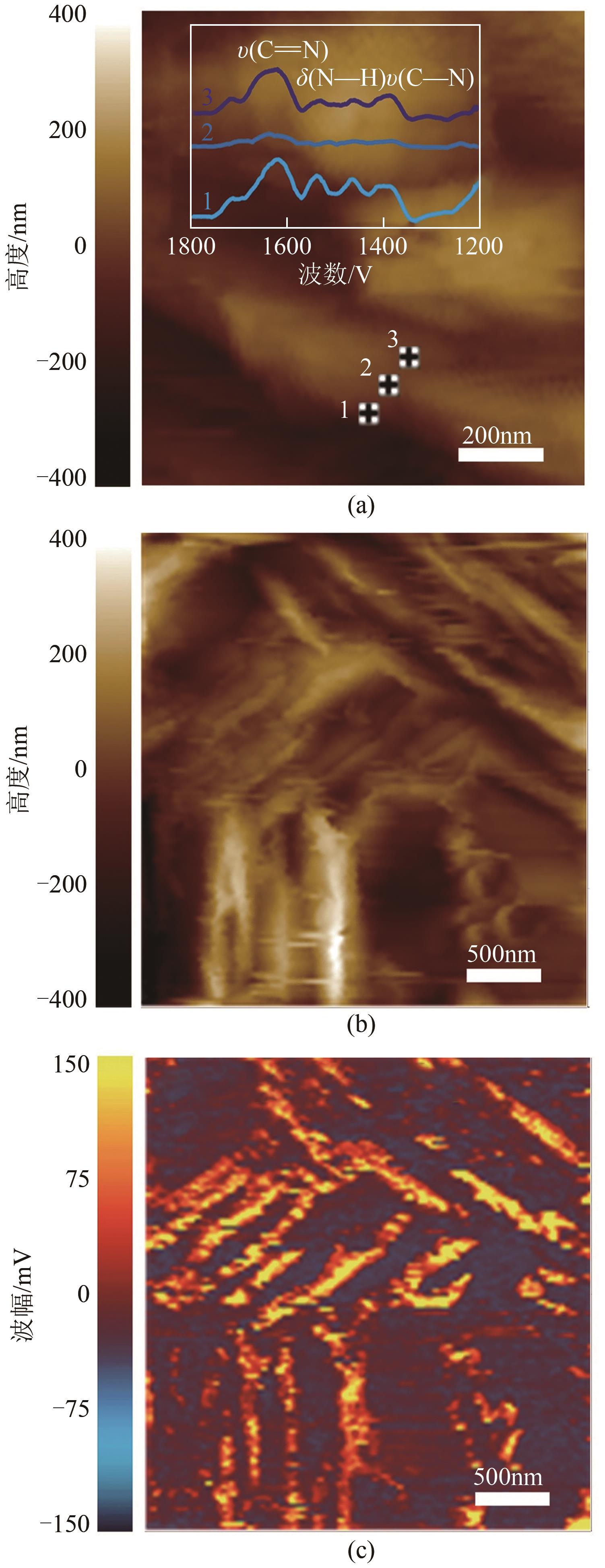
图14 动态相间沉积的Zn沉积物AFM图(a),内插图为局部红外吸收光谱;排列的电沉积物AFM形貌和相应C̿ N键拉伸的红外吸收图(1637cm-1)[(b)、(c)][37]
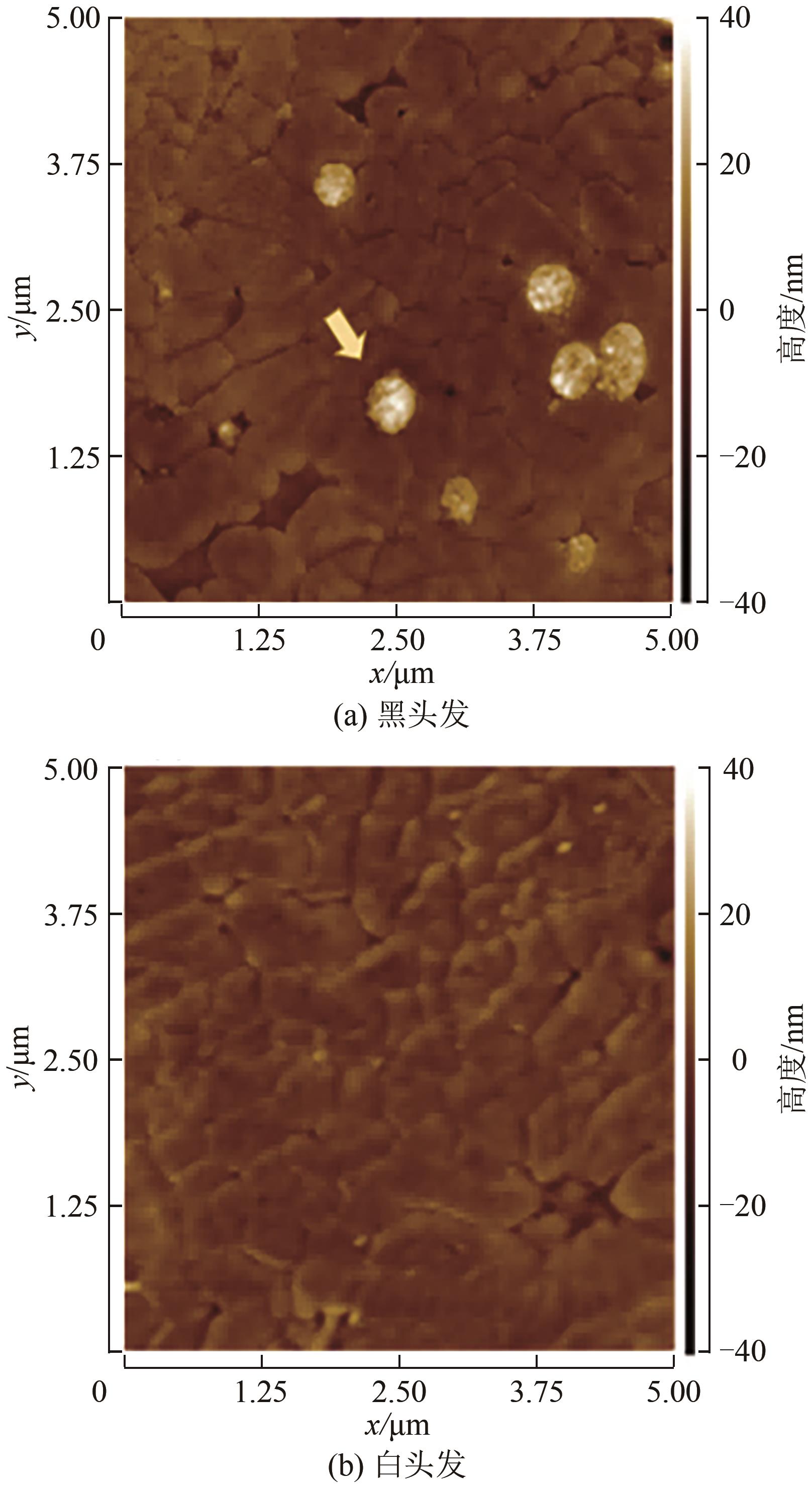
图15 黑头发和白头发皮质层的AFM形貌图[45]
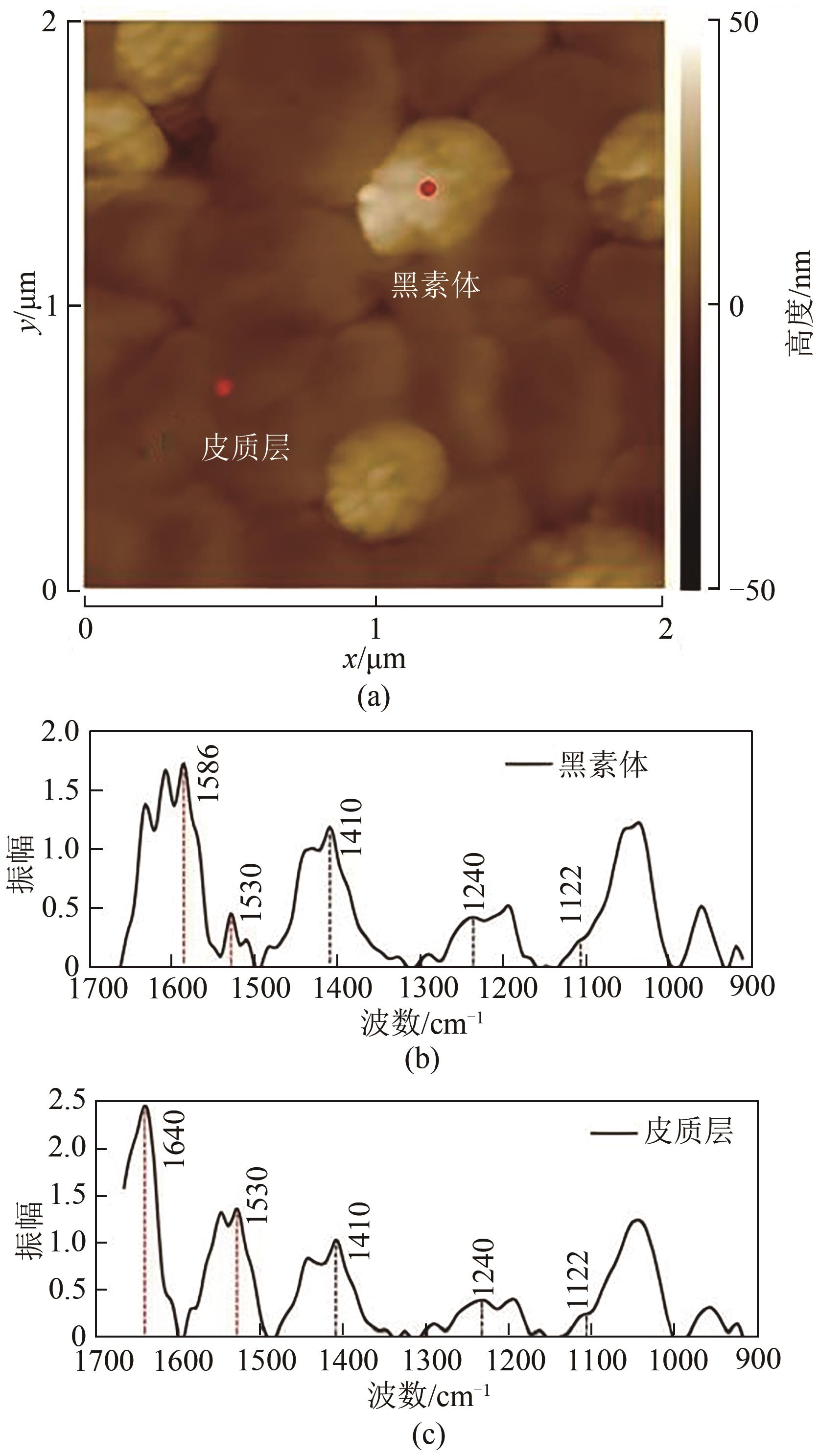
图16 皮质层AFM形貌图(a);黑素体的红外光谱(b);皮质层其他区域的红外光谱(c)[45]
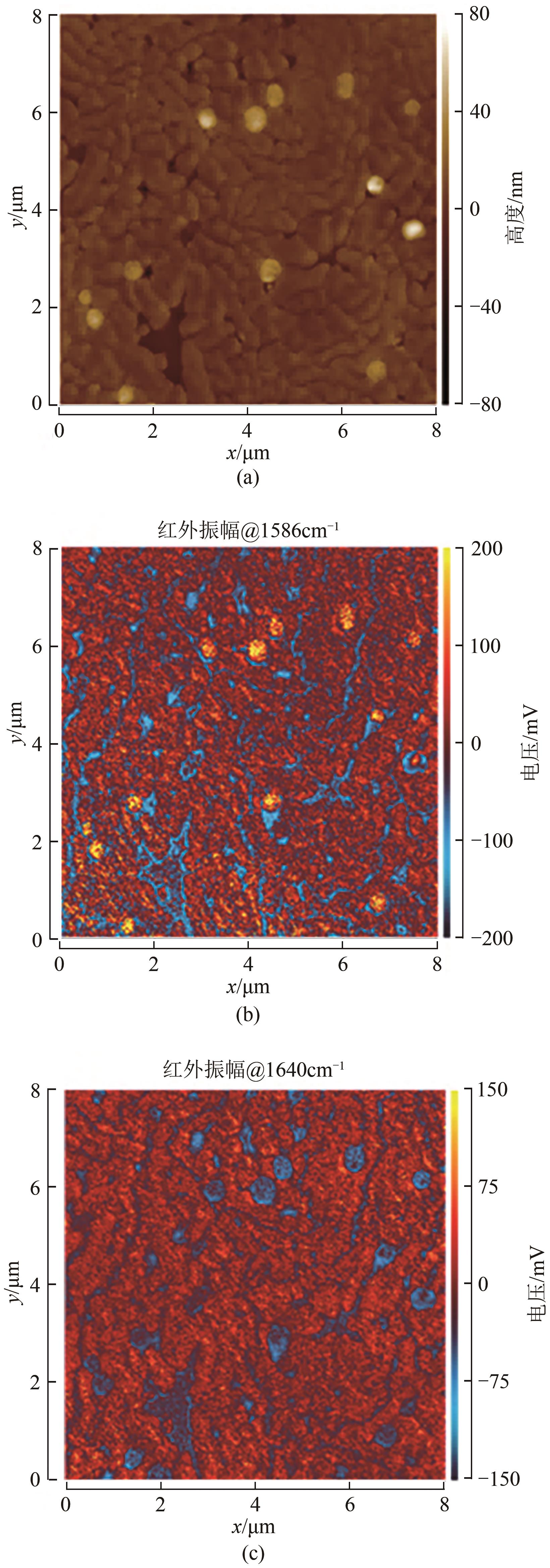
图17 黑头发皮质层的AFM形貌图、1586cm-1和1640cm-1的化学成像图[45]
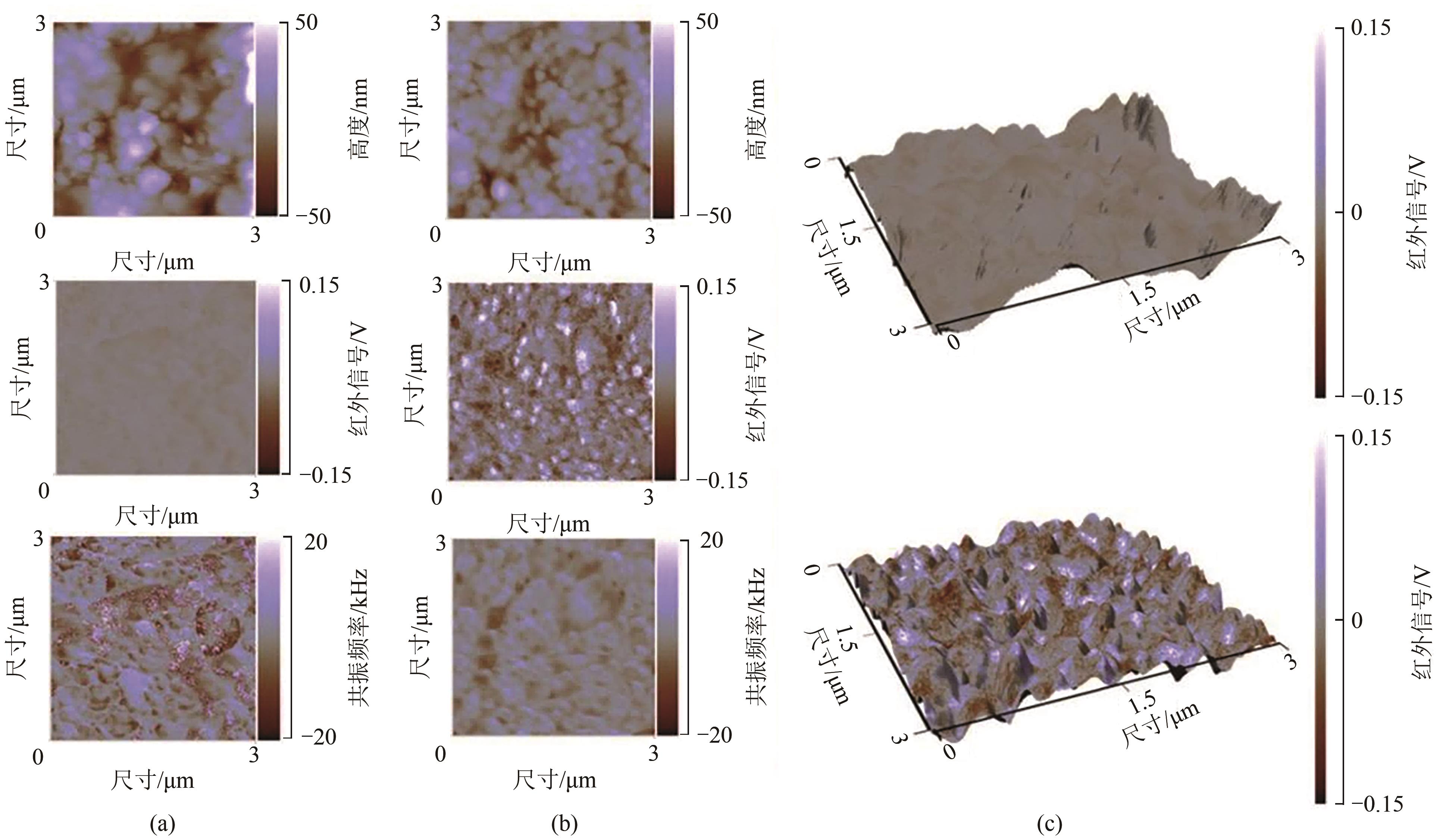
图18 未老化(a)和老化(b)微塑料的AFM形貌图(上)、1706cm-1波数的AFM-IR红外图像(中)、接触共振频率图像(下);从形貌图和AFM-IR图像中整合的未老化(上)和老化(下)微塑料的三维图像(c)[47]
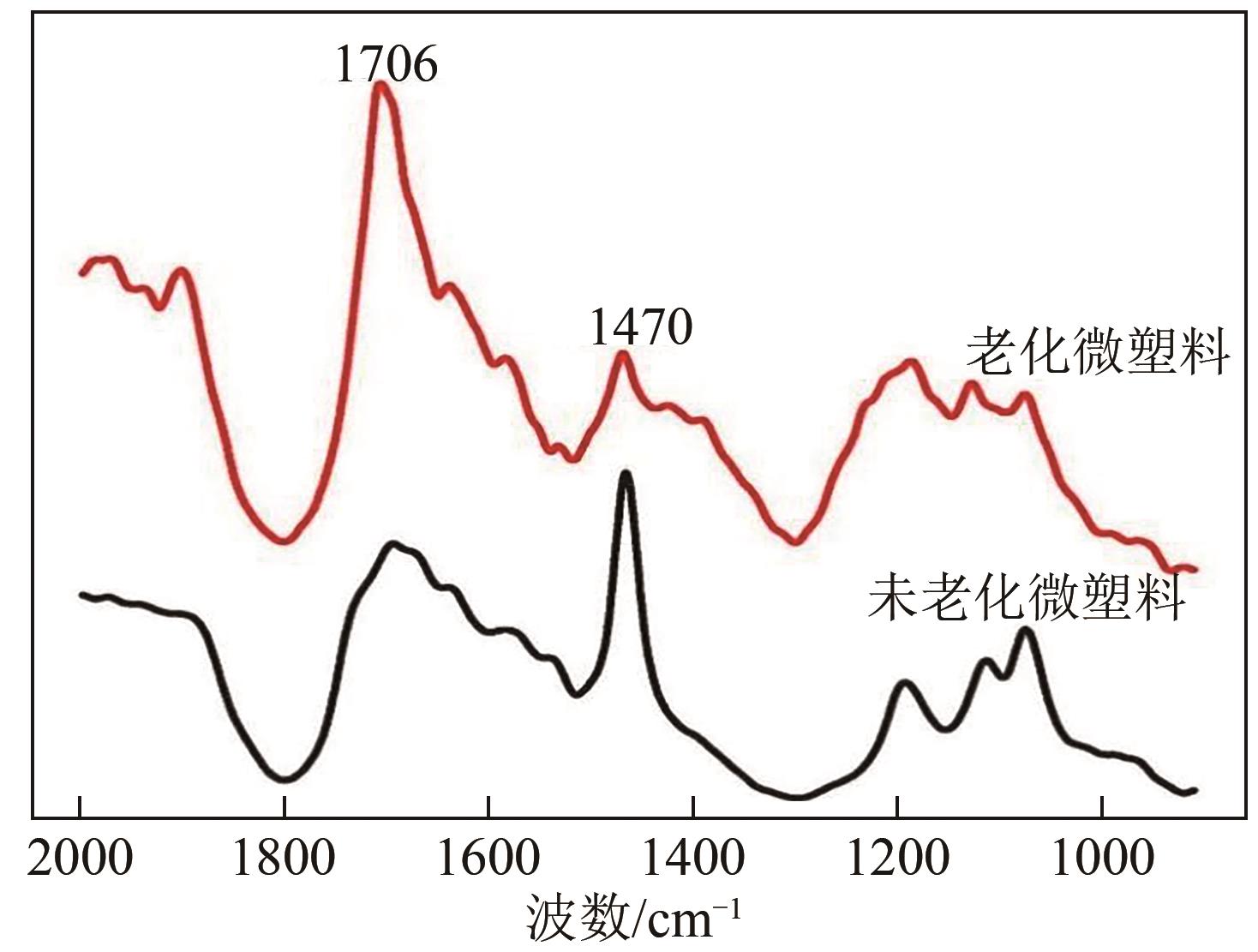
图19 未老化和老化微塑料的微区纳米级AFM-IR光谱图[47]
| 1 | LASCH Peter, NAUMANN Dieter. Spatial resolution in infrared microspectroscopic imaging of tissues[J]. Biochimica et Biophysica Acta (BBA): Biomembranes, 2006, 1758(7): 814-829. |
| 2 | FINDLAY C R, WIENS R, RAK M, et al. Rapid biodiagnostic ex vivo imaging at 1μm pixel resolution with thermal source FTIR FPA[J]. Analyst, 2015, 140(7): 2493-2503. |
| 3 | 王东. 原子力显微镜及聚合物微观结构与性能[M]. 北京: 科学出版社, 2022. |
| WANG Dong. Atomic force microscope and microstructure and properties of polymers[M]. Beijing: Science Press, 2022. | |
| 4 | LAHIRI Basudev, HOLLAND Glenn, CENTRONE Andrea. Chemical imaging beyond the diffraction limit: Experimental validation of the PTIR technique[J]. Small, 2013, 9(11): 1876. |
| 5 | RAMER Georg, AKSYUK Vladimir A, CENTRONE Andrea. Quantitative chemical analysis at the nanoscale using the photothermal induced resonance technique[J]. Analytical Chemistry, 2017, 89(24): 13524-13531. |
| 6 | MATHURIN Jeremie, Ariane DENISET-BESSEAU, BAZIN Dominique, et al. Photothermal AFM-IR spectroscopy and imaging: Status, challenges, and trends[J]. 2022, 131(1): 010901. |
| 7 | 王泽倩. 静电纺聚偏二氟乙烯单根纤维的内部结构研究[D]. 合肥: 中国科学技术大学, 2020. |
| WANG Zeqian. Structure of individual poly(vinylidene fluoride) electrospun nanofibers[D]. Hefei: University of Science and Technology of China, 2020. | |
| 8 | DAZZI Alexandre, PRATER Craig B. AFM-IR: Technology and applications in nanoscale infrared spectroscopy and chemical imaging[J]. Chemical Reviews, 2017, 117(7): 5146-5173. |
| 9 | Phuong NGUYEN-TRI, GHASSEMI Payman, CARRIERE Pascal, et al. Recent applications of advanced atomic force microscopy in polymer science: A review[J]. Polymers, 2020, 12(5): 1142. |
| 10 | WANG Le, WANG Haomin, XU Xiaoji G. Principle and applications of peak force infrared microscopy[J]. Chemical Society Reviews, 2022, 51(13): 5268-5286. |
| 11 | DAZZI Alexandre, PRATER Craig B, HU Qichi, et al. AFM-IR: Combining atomic force microscopy and infrared spectroscopy for nanoscale chemical characterization[J]. Applied Spectroscopy, 2012, 66(12): 1365-1384. |
| 12 | DAZZI A, PRAZERES R, GLOTIN F, et al. Local infrared microspectroscopy with subwavelength spatial resolution with an atomic force microscope tip used as a photothermal sensor[J]. Optics Letters, 2005, 30(18): 2388-2390. |
| 13 | DAZZI A, PRAZERES R, GLOTIN F, et al. Analysis of nano-chemical mapping performed by an AFM-based (“AFMIR”) acousto-optic technique[J]. Ultramicroscopy, 2007, 107(12): 1194-1200. |
| 14 | SCHWARTZ Jeffrey J, JAKOB Devon S, CENTRONE Andrea. A guide to nanoscale IR spectroscopy: Resonance enhanced transduction in contact and tapping mode AFM-IR[J]. Chemical Society Reviews, 2022, 51(13): 5248-5267. |
| 15 | DAZZI A, GLOTIN F, CARMINATI R. Theory of infrared nanospectroscopy by photothermal induced resonance[J]. 2010, 107(12): 124519. |
| 16 | WANG Haomin, XIE Qing, XU Xiaoji G. Super-resolution mid-infrared spectro-microscopy of biological applications through tapping mode and peak force tapping mode atomic force microscope[J]. Advanced Drug Delivery Reviews, 2022, 180: 114080. |
| 17 | WANG Le, WANG Haomin, WAGNER Martin, et al. Nanoscale simultaneous chemical and mechanical imaging via peak force infrared microscopy[J]. Science Advances, 2017, 3(6): e1700255. |
| 18 | PRINE Nathaniel, CAO Zhiqiang, ZHANG Song, et al. Enabling quantitative analysis of complex polymer blends by infrared nanospectroscopy and isotopic deuteration[J]. Nanoscale, 2023, 15(16): 7365-7373. |
| 19 | YE Jiping, MIDORIKAWA Hiromi, AWATANI Tadashi, et al. Nanoscale infrared spectroscopy and AFM imaging of a polycarbonate/acrylonitrile-styrene/butadiene blend[J]. Microscopy and Analysis. Europe, 2012(TN. 140): 24-27. |
| 20 | TANG Fuguang, BAO Peite, ROY Anirban, et al. In-situ spectroscopic and thermal analyses of phase domains in high-impact polypropylene[J]. Polymer, 2018, 142: 155-163. |
| 21 | 李昊轩. HDPE/SEBS/PA6三元共混物的制备及其性能研究[D]. 北京: 北京化工大学, 2021. |
| LI Haoxuan. Study on preparation and properties of HDPE/SEBS/PA6 ternary blends[D]. Beijing: Beijing University of Chemical Technology, 2021. | |
| 22 | LI Haoxuan, RUSSELL Thomas P, WANG Dong. Nanomechanical and chemical mapping of the structure and interfacial properties in immiscible ternary polymer systems[J]. Chinese Journal of Polymer Science, 2021, 39(6): 651-658. |
| 23 | TANG Fuguang, BAO Peite, SU Zhaohui. Analysis of nanodomain composition in high-impact polypropylene by atomic force microscopy-infrared[J]. Analytical Chemistry, 2016, 88(9): 4926-4930. |
| 24 | CHENG Jiugeng, ZHONG Zhenxing, LIN Yuan, et al. Miscibility of isotactic poly(1-butene)/isotactic polypropylene blends studied by atomic force microscopy-infrared[J]. Polymer, 2022, 239: 124445. |
| 25 | 程久庚, 苏朝晖. 原子力-红外光谱定量分析聚1-丁烯/聚丙烯共混物的相区组成[J]. 应用化学, 2022, 39(2): 266-271. |
| CHENG Jiugeng, SU Zhaohui. Quantitative analysis of phase composition of poly(1-butene)/polypropylene blends by atomic force microscopy-infrared[J]. Chinese Journal of Applied Chemistry, 2022, 39(2): 266-271. | |
| 26 | LI Tiantian, CHENG Sibo, FENG Lianfang, et al. Measuring the interfacial thickness of immiscible polymer blends by nano-probing of atomic force microscopy[J]. Chinese Journal of Polymer Science, 2022, 40(4): 421-430. |
| 27 | GONG Liang, Bruce CHASE D, NODA Isao, et al. Discovery of β-form crystal structure in electrospun poly[(R)-3-hydroxybutyrate-co-(R)-3-hydroxyhexanoate] (PHBHx) nanofibers: From fiber mats to single fibers[J]. Macromolecules, 2015, 48(17): 6197-6205. |
| 28 | GONG Liang, Bruce CHASE D, NODA Isao, et al. Polymorphic distribution in individual electrospun poly[(R)-3-hydroxybutyrate-co-(R)-3-hydroxyhexanoate] (PHBHx) nanofibers[J]. Macromolecules, 2017, 50(14): 5510-5517. |
| 29 | NGUYEN TRI Phuong, PRUD’HOMME Robert E. Crystallization and segregation behavior at the submicrometer scale of PCL/PEG blends[J]. Macromolecules, 2018, 51(18): 7266-7273. |
| 30 | HE Yong, INOUE Yoshio. Novel FTIR method for determining the crystallinity of poly(ε-caprolactone)[J]. Polymer International, 2000, 49(6): 623-626. |
| 31 | NGUYEN TRI Phuong, PRUD’HOMME Robert E. Nanoscale lamellar assembly and segregation mechanism of poly(3-hydroxybutyrate)/poly(ethylene glycol) blends[J]. Macromolecules, 2018, 51(1): 181-188. |
| 32 | NGUYEN Thien Vuong, LE Xuan Hien, Phi Hung DAO, et al. Stability of acrylic polyurethane coatings under accelerated aging tests and natural outdoor exposure: The critical role of the used photo-stabilizers[J]. Progress in Organic Coatings, 2018, 124: 137-146. |
| 33 | LIU Yang, ZHANG Bing, XU Wenhan, et al. Chirality-induced relaxor properties in ferroelectric polymers[J]. Nature Materials, 2020, 19: 1169-1174. |
| 34 | LIU Yang, YANG Tiannan, ZHANG Bing, et al. Structural insight in the interfacial effect in ferroelectric polymer nanocomposites[J]. Advanced Materials, 2020, 32(49): e2005431. |
| 35 | YAO Heng, XIA Zhaoyue, WANG Jing, et al. Porous, self-polarized ferroelectric polymer films exhibiting behavior reminiscent of morphotropic phase boundary induced by size-dependent interface effect for self-powered sensing[J]. ACS Nano, 2024, 18(13): 9470-9485. |
| 36 | ZHOU Zheng, DU Xiangxin, LUO Jikui, et al. Coupling of interface effects and porous microstructures in translucent piezoelectric composites for enhanced energy harvesting and sensing[J]. Nano Energy, 2021, 84: 105895. |
| 37 | ZHANG Weidong, ZHAO Qing, HOU Yunpeng, et al. Dynamic interphase-mediated assembly for deep cycling metal batteries[J]. Science Advances, 2021, 7(49): eabl3752. |
| 38 | SHI Peiran, MA Jiabin, LIU Ming, et al. A dielectric electrolyte composite with high lithium-ion conductivity for high-voltage solid-state lithium metal batteries[J]. Nature Nanotechnology, 2023, 18(6): 602-610. |
| 39 | AN Xufei, LIU Yang, YANG Ke, et al. Dielectric filler-induced hybrid interphase enabling robust solid-state Li metal batteries at high areal capacity[J]. Advanced Materials, 2024, 36(13): 2311195. |
| 40 | JIANG Xiaofen, LIU Baoze, WU Xin, et al. Top-down induced crystallization orientation toward highly efficient p-i-n perovskite solar cells[J]. Advanced Materials, 2024, 36(24): 2313524. |
| 41 | YANG Ke, MA Jiabin, LI Yuhang, et al. Weak-interaction environment in a composite electrolyte enabling ultralong-cycling high-voltage solid-state lithium batteries[J]. Journal of the American Chemical Society, 2024, 146(16): 11371-11381. |
| 42 | WU Qian, FANG Mandi, JIAO Shizhe, et al. Phase regulation enabling dense polymer-based composite electrolytes for solid-state lithium metal batteries[J]. Nature Communications, 2023, 14: 6296. |
| 43 | 司志祥. 有机无机杂化钙钛矿薄膜及太阳能电池的湿度降解机制研究[D]. 北京: 北京工业大学, 2020. |
| SI Zhixiang. Study on the moisture degradation mechanism of organic-inorganic hybrid perovskite films and perovskite solar cells[D]. Beijing: Beijing University of Technology, 2020. | |
| 44 | DAZZI A, PRAZERES R, GLOTIN F, et al. Chemical mapping of the distribution of viruses into infected bacteria with a photothermal method[J]. Ultramicroscopy, 2008, 108(7): 635-641. |
| 45 | 鲁瑶. 微米纳米尺度下人类头发结构成分的红外谱学显微研究[D]. 上海: 中国科学院大学(中国科学院上海应用物理研究所), 2022. |
| LU Yao. Infrared microspectroscopic study of human hair structure and components at micro and nano scale[D]. Shanghai: Shanghai Institute of Applied Physics, Chinese Academy of Sciences, 2022. | |
| 46 | 鲁瑶, 彭蔚蔚, 吉特, 等. 基于红外纳米谱学技术的人类头发黑素体研究[J]. 核技术, 2022, 45(4): 3-10. |
| LU Yao, PENG Weiwei, JI Te, et al. Apply infrared nano-spectroscopy to the study of human hair melanosomes[J]. Nuclear Techniques, 2022, 45(4): 3-10. | |
| 47 | LUO Hongwei, XIANG Yahui, ZHAO Yaoyao, et al. Nanoscale infrared, thermal and mechanical properties of aged microplastics revealed by an atomic force microscopy coupled with infrared spectroscopy (AFM-IR) technique[J]. Science of the Total Environment, 2020, 744: 140944. |
| 48 | LI Yu, ZHANG Chuanming, TIAN Zhenyu, et al. Identification and quantification of nanoplastics (20—1000nm) in a drinking water treatment plant using AFM-IR and Pyr-GC/MS[J]. Journal of Hazardous Materials, 2024, 463: 132933. |
| [1] | 邓雪菲, 吕开河, 黎剑, 孙金声, 樊俊豪, 廖婷, 黄宁. 超深井钻井液用聚合物降滤失剂研究现状及发展趋势[J]. 化工进展, 2025, 44(4): 2119-2132. |
| [2] | 刘俊杰, 吴建民, 孙启文, 王建成, 孙燕. 茂金属催化线性α-烯烃聚合获取高分子量产物研究进展[J]. 化工进展, 2025, 44(3): 1309-1322. |
| [3] | 宋慈, 李海燕, 张世珍, 刘洪伟, 张建英, 邱家浩, 曹仁伟, 孙坤, 秦颖, 朱明绪, 高梦岩. 自修复防腐蚀涂层的类型及应用现状[J]. 化工进展, 2025, 44(3): 1466-1484. |
| [4] | 雪冰峰, 张烨, 张世元, 付鹏, 崔喆, 张袁铖, 李鑫, 庞新厂, 赵蔚, 张晓朦, 刘民英. 直接固相聚合法制备聚酰胺PA12T及性能表征[J]. 化工进展, 2025, 44(3): 1559-1569. |
| [5] | 张爱京, 王桢钰, 肖宁宁, 宋艳娜, 李军, 冯江涛, 延卫. 新型汞离子吸附材料研究进展[J]. 化工进展, 2025, 44(2): 899-913. |
| [6] | 苏瑶, 陈占秀, 杨历, 邢赫威, 呼和仓, 李源华. 热源温度对非对称纳米通道流动换热的影响[J]. 化工进展, 2024, 43(S1): 144-153. |
| [7] | 王于华, 周雪, 谷传涛. 用于高性能全聚合物太阳能电池的区域规整的聚小分子受体研究进展[J]. 化工进展, 2024, 43(S1): 391-402. |
| [8] | 高觊兴, 丁玉梅, 张超, 谭晶, 丁熙, 李好义, 杨卫民. 熔体微分电纺PLA/PCL微纳米纤维膜的制备及其性能[J]. 化工进展, 2024, 43(S1): 457-468. |
| [9] | 王婉莹, 周颖喆, 刘华娟, 蒋国强. 我国生物制造领域竞争优劣势分析[J]. 化工进展, 2024, 43(S1): 662-666. |
| [10] | 高玉李, 王红秋, 黄格省, 鲜楠莹, 师晓玉. 全固态锂电池的产业化和技术研究进展[J]. 化工进展, 2024, 43(9): 4767-4778. |
| [11] | 廖旭, 周骏, 罗杰, 曾瑞琳, 王泽宇, 李尊华, 林金清. 多孔离子聚合物催化二氧化碳环加成反应的研究进展[J]. 化工进展, 2024, 43(9): 4925-4940. |
| [12] | 孙诗婉, 李欣, 周涵. 辐射冷却涂料及其在能源环境领域的应用[J]. 化工进展, 2024, 43(9): 4961-4969. |
| [13] | 慕铭, 赵伟伟, 陈光孟, 刘小青. 基于激光诱导石墨烯的应变传感器研究进展[J]. 化工进展, 2024, 43(9): 4970-4979. |
| [14] | 张政, 刘琳, 李子晨, 王梦琦, 黄春燕, 葛圆圆. 载铜地质聚合物微球的制备及其催化降解双酚S的性能[J]. 化工进展, 2024, 43(9): 5290-5301. |
| [15] | 王洋, 张苗苗, 吕阳, 侯翠红, 危常州, 马文奇, 张福锁, 申建波. pH响应材料及其在智能肥料中的应用[J]. 化工进展, 2024, 43(8): 4477-4489. |
| 阅读次数 | ||||||
|
全文 |
|
|||||
|
摘要 |
|
|||||