化工进展 ›› 2025, Vol. 44 ›› Issue (5): 2955-2971.DOI: 10.16085/j.issn.1000-6613.2024-1697
• 化工过程减排 • 上一篇
原料替代对化工生产过程新工艺安全的影响与风险评估
孟凡志( ), 孙冰, 杨哲()
- 中石化安全工程研究院有限公司,山东 青岛 266104
-
收稿日期:2024-10-22修回日期:2025-01-26出版日期:2025-05-25发布日期:2025-05-20 -
通讯作者:杨哲 -
作者简介:孟凡志(1994—),男,博士,研究方向为化工过程安全。E-mail:mengfz.qday@sinopec.com。 -
基金资助:国家自然科学基金(22278452)
Impact and risk assessment of feedstock substitution on new process safety in chemical production
MENG Fanzhi(), SUN Bing, YANG Zhe()
- Sinopec Research Institute of Safety Engineering Co. , Ltd. , Qingdao 266104, Shandong, China
-
Received:2024-10-22Revised:2025-01-26Online:2025-05-25Published:2025-05-20 -
Contact:YANG Zhe

摘要:
化工行业是我国国民经济的支柱产业,在实现“碳达峰、碳中和”的过程中发挥关键作用,化工行业原料替代已成为推动绿色转型和产业升级的重要驱动力。针对原料替代过程中产生的安全隐患,本文深入探讨了原料的反应性差异、健康和环境风险、设备兼容性及工艺流程变化对化工过程安全的潜在影响。结果表明,不同原料在化学性质与传热特性等方面的差异可能导致反应速率、温度、压力及副产物类型的变化,进而增加工艺的不稳定性;替代原料毒性和排放特性的变化可能引发新的健康与环境风险,对生态系统和人员安全产生负面影响;新原料的腐蚀性和兼容性问题可能会导致设备的失效概率上升,甚至无法维持新工艺正常运行;对工艺流程改变引发的新风险缺乏充分考虑可能会引发安全事故。该研究为原料替代过程中的安全管理提供了理论支持和技术指导,并为未来原料替代过程的工艺优化和风险控制奠定了基础。
中图分类号:
引用本文
孟凡志, 孙冰, 杨哲. 原料替代对化工生产过程新工艺安全的影响与风险评估[J]. 化工进展, 2025, 44(5): 2955-2971.
MENG Fanzhi, SUN Bing, YANG Zhe. Impact and risk assessment of feedstock substitution on new process safety in chemical production[J]. Chemical Industry and Engineering Progress, 2025, 44(5): 2955-2971.
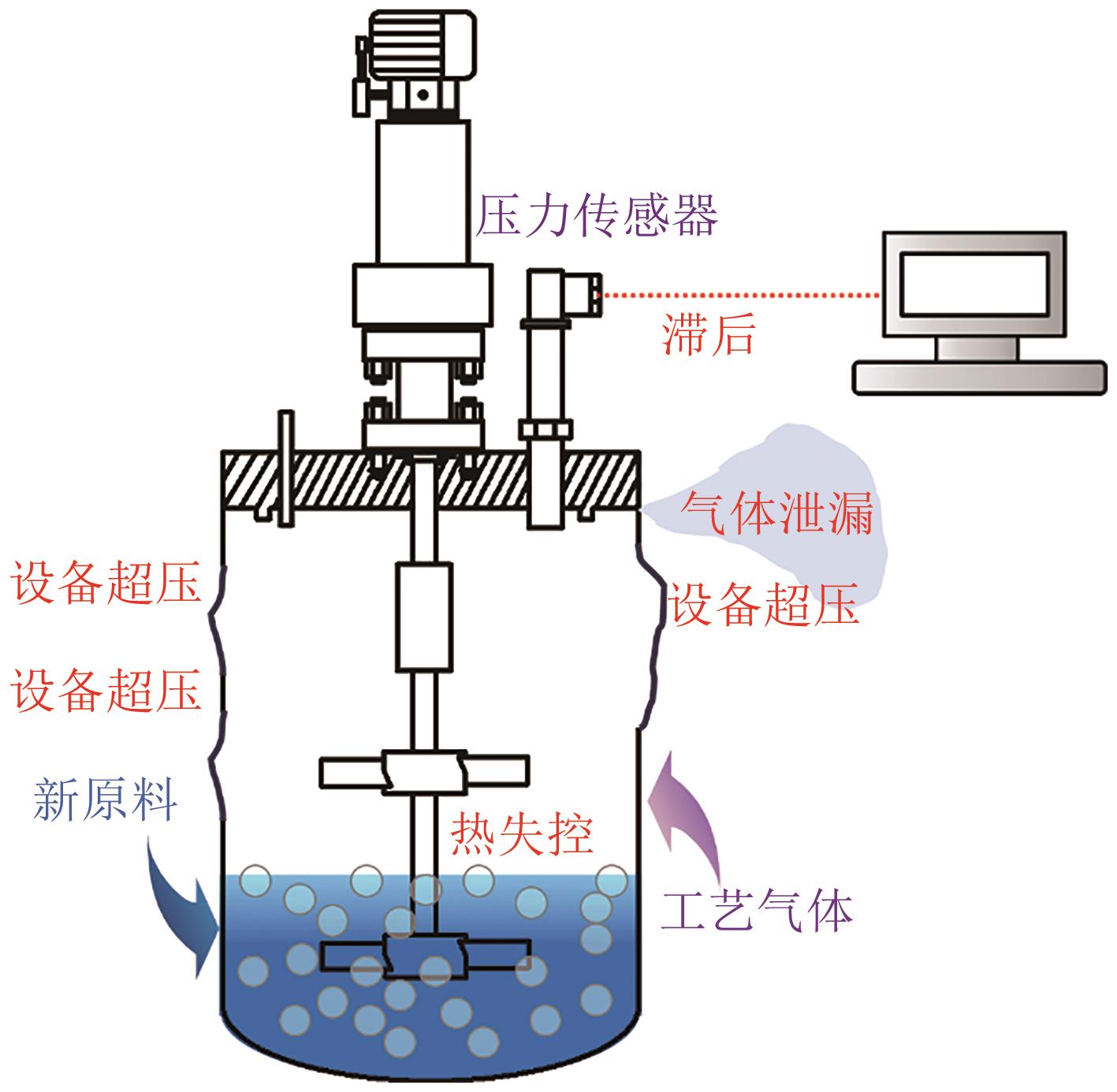
图1 新原料替代后的反应热失控示意图
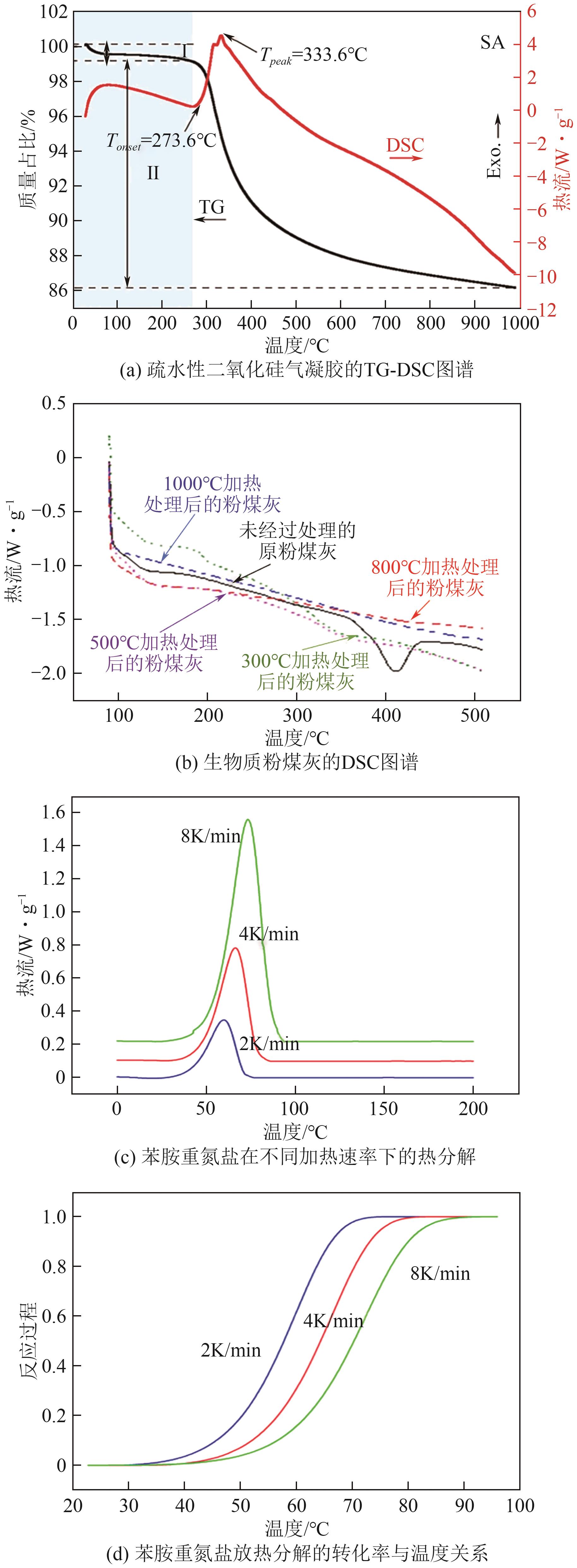
图2 不同新原料替代过程中的DSC图谱及热分解趋势[22-24]
| 原料替代类别 | 替代原料示例 | 反应速率变化 | 主要影响 | 安全措施 |
|---|---|---|---|---|
| 隔热材料替代 | 疏水性二氧化硅气凝胶 | 热分解速率显著提升 | 加剧热积累,可能引发粉尘爆炸或燃烧风险 | 改进材料表面稳定性,优化使用环境及储存条件 |
| 能源原料替代 | 生物质能源替代化石燃料 | 热解和气化速率随温度升高显著增加 | 导致热积累速率提高,设备热失控风险增加 | 加强设备温控能力,优化工艺流程,强化压力监测 |
| 反应原料替代 | 亚硝酸钠+酸替代亚硝酸 | 重氮化反应速率波动性显著增加 | 增加热失控和分解爆炸风险 | 控制酸的投料速率,改进反应釜冷却能力 |
表1 不同新原料替代对反应速率的影响及安全风险归纳[22-24]
| 原料替代类别 | 替代原料示例 | 反应速率变化 | 主要影响 | 安全措施 |
|---|---|---|---|---|
| 隔热材料替代 | 疏水性二氧化硅气凝胶 | 热分解速率显著提升 | 加剧热积累,可能引发粉尘爆炸或燃烧风险 | 改进材料表面稳定性,优化使用环境及储存条件 |
| 能源原料替代 | 生物质能源替代化石燃料 | 热解和气化速率随温度升高显著增加 | 导致热积累速率提高,设备热失控风险增加 | 加强设备温控能力,优化工艺流程,强化压力监测 |
| 反应原料替代 | 亚硝酸钠+酸替代亚硝酸 | 重氮化反应速率波动性显著增加 | 增加热失控和分解爆炸风险 | 控制酸的投料速率,改进反应釜冷却能力 |
| 反应类型 | 原料替代方式 | 主要副产物 | 安全风险 | 管理策略 |
|---|---|---|---|---|
| 硝化反应 | 更换硝化剂或反应介质 | 2,4,6-三硝基苯酚等 | 反应过程不稳定,存在爆炸隐患 | 控制反应温度,优化硝化剂配比,完善冷却系统 |
| 重氮化反应 | 亚硝酸钠和酸替代亚硝酸 | 不稳定重氮盐 | 热失控导致的局部放热,可能引发连锁反应 | 加强分解反应热管理,实时监控压力和温度 |
| 有机合成反应 | 有机过氧化物替代传统氧化剂 | 具有强氧化性的过氧副产物 | 储存和运输困难,积聚后增加事故风险 | 优化副产物分离工艺,合理储存,建立专门处置设施 |
表2 新原料替代对副产物生成的影响及管理策略[25-32]
| 反应类型 | 原料替代方式 | 主要副产物 | 安全风险 | 管理策略 |
|---|---|---|---|---|
| 硝化反应 | 更换硝化剂或反应介质 | 2,4,6-三硝基苯酚等 | 反应过程不稳定,存在爆炸隐患 | 控制反应温度,优化硝化剂配比,完善冷却系统 |
| 重氮化反应 | 亚硝酸钠和酸替代亚硝酸 | 不稳定重氮盐 | 热失控导致的局部放热,可能引发连锁反应 | 加强分解反应热管理,实时监控压力和温度 |
| 有机合成反应 | 有机过氧化物替代传统氧化剂 | 具有强氧化性的过氧副产物 | 储存和运输困难,积聚后增加事故风险 | 优化副产物分离工艺,合理储存,建立专门处置设施 |
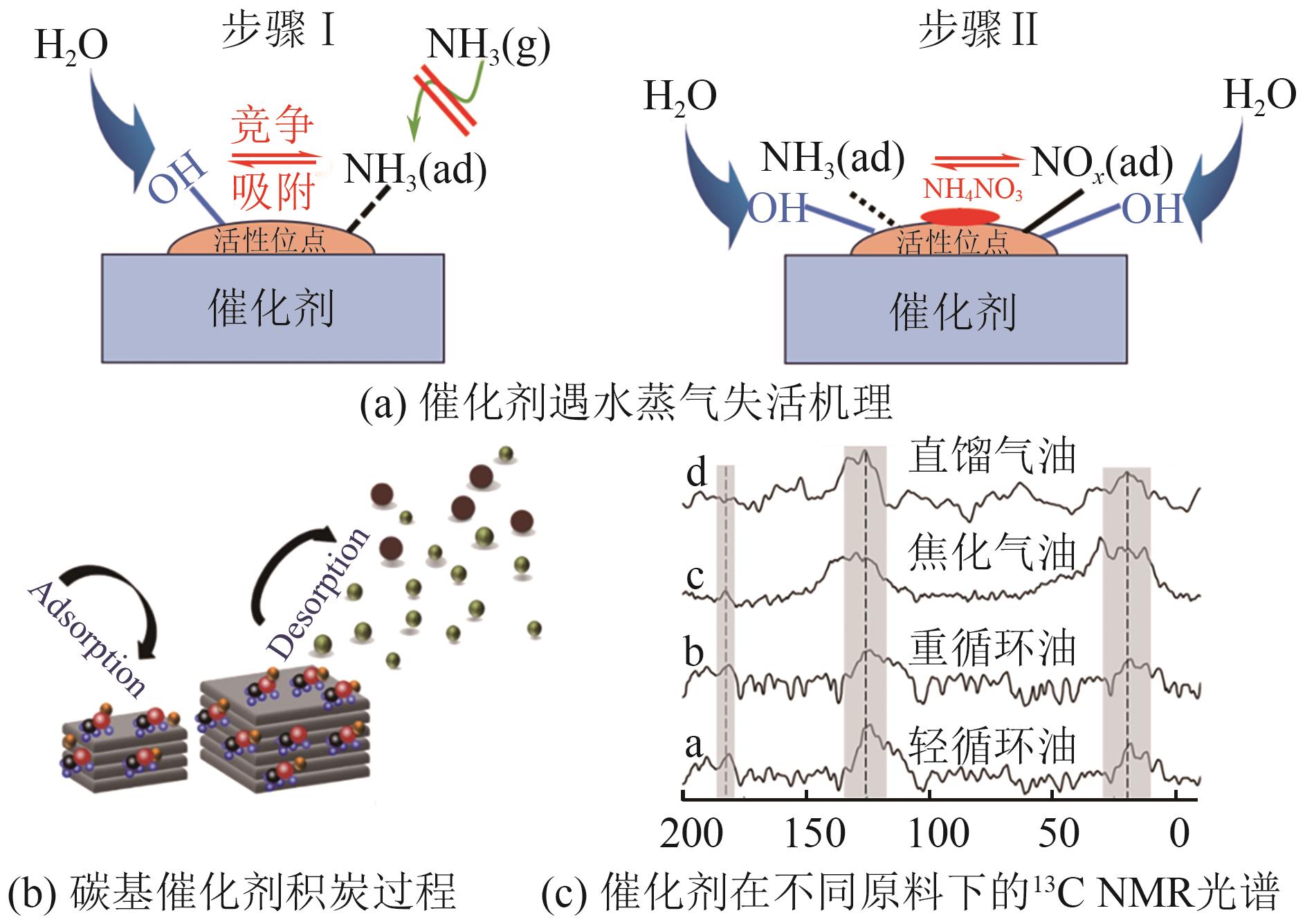
图3 催化剂在不同新原料作用下的失活过程[36-38]
| 替代原料 | 毒性特征 | 暴露方式变化 | 健康风险 | 防护措施需求 |
|---|---|---|---|---|
| 聚硅氧烷、硅氧烷 | 长时间暴露会对呼吸道产生刺激,可能诱发过敏性反应 | 暴露在空气中的挥发性增加,吸入风险上升 | 呼吸道刺激、过敏反应 | 需要更新防护设备,应考虑呼吸道防护措施 |
| 甲醛树脂 | 致癌性,已被异氰酸酯替代,具有较高反应活性、耐用性和稳定性 | 操作环境隐蔽,空气传播风险增加 | 呼吸道疾病(如哮喘)、致癌风险 | 需要加强空气流通和呼吸防护措施,重新评估防护设备的有效性 |
| 石墨烯氧化物 | 纳米颗粒可引发呼吸道疾病和炎症反应,难以排出 | 固态纳米颗粒的溶解性增加,接触风险上升 | 呼吸道疾病、肺部炎症反应 | 需要更新防护设备,特别是针对纳米颗粒的防护,评估现有防护措施的有效性 |
| 微塑料(包括石墨烯) | 微塑料积累可影响人体健康,可能引起慢性毒性反应和细胞损伤 | 微粒化程度增加,人体吸入和接触的风险增加 | 慢性毒性反应、组织损伤、免疫系统影响 | 需要特殊防护设备来防止微塑料的吸入和接触 |
表3 原料替代的毒性特征与健康风险对比[50-54]
| 替代原料 | 毒性特征 | 暴露方式变化 | 健康风险 | 防护措施需求 |
|---|---|---|---|---|
| 聚硅氧烷、硅氧烷 | 长时间暴露会对呼吸道产生刺激,可能诱发过敏性反应 | 暴露在空气中的挥发性增加,吸入风险上升 | 呼吸道刺激、过敏反应 | 需要更新防护设备,应考虑呼吸道防护措施 |
| 甲醛树脂 | 致癌性,已被异氰酸酯替代,具有较高反应活性、耐用性和稳定性 | 操作环境隐蔽,空气传播风险增加 | 呼吸道疾病(如哮喘)、致癌风险 | 需要加强空气流通和呼吸防护措施,重新评估防护设备的有效性 |
| 石墨烯氧化物 | 纳米颗粒可引发呼吸道疾病和炎症反应,难以排出 | 固态纳米颗粒的溶解性增加,接触风险上升 | 呼吸道疾病、肺部炎症反应 | 需要更新防护设备,特别是针对纳米颗粒的防护,评估现有防护措施的有效性 |
| 微塑料(包括石墨烯) | 微塑料积累可影响人体健康,可能引起慢性毒性反应和细胞损伤 | 微粒化程度增加,人体吸入和接触的风险增加 | 慢性毒性反应、组织损伤、免疫系统影响 | 需要特殊防护设备来防止微塑料的吸入和接触 |
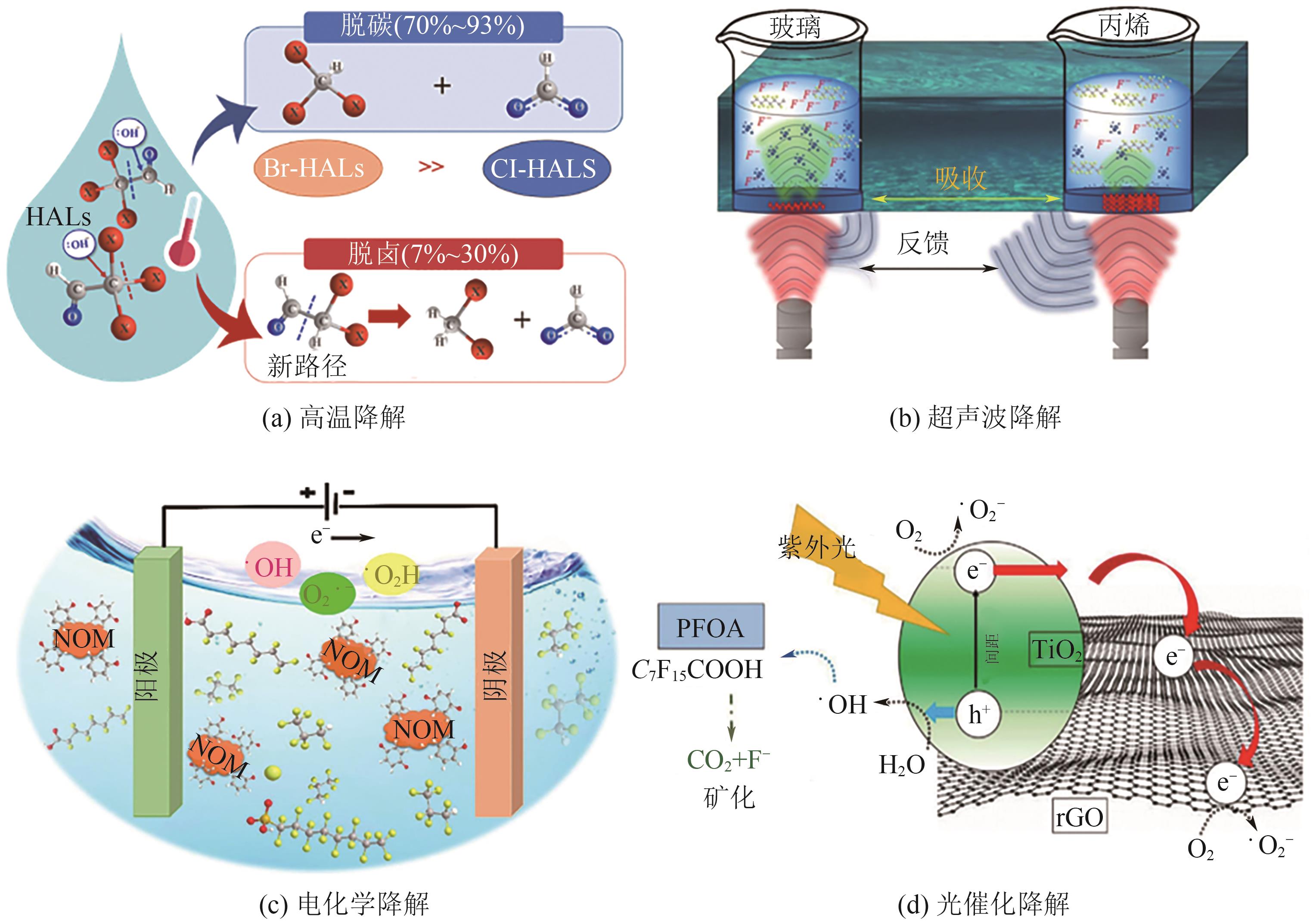
图4 针对不同原料的降解新方法[59-62]
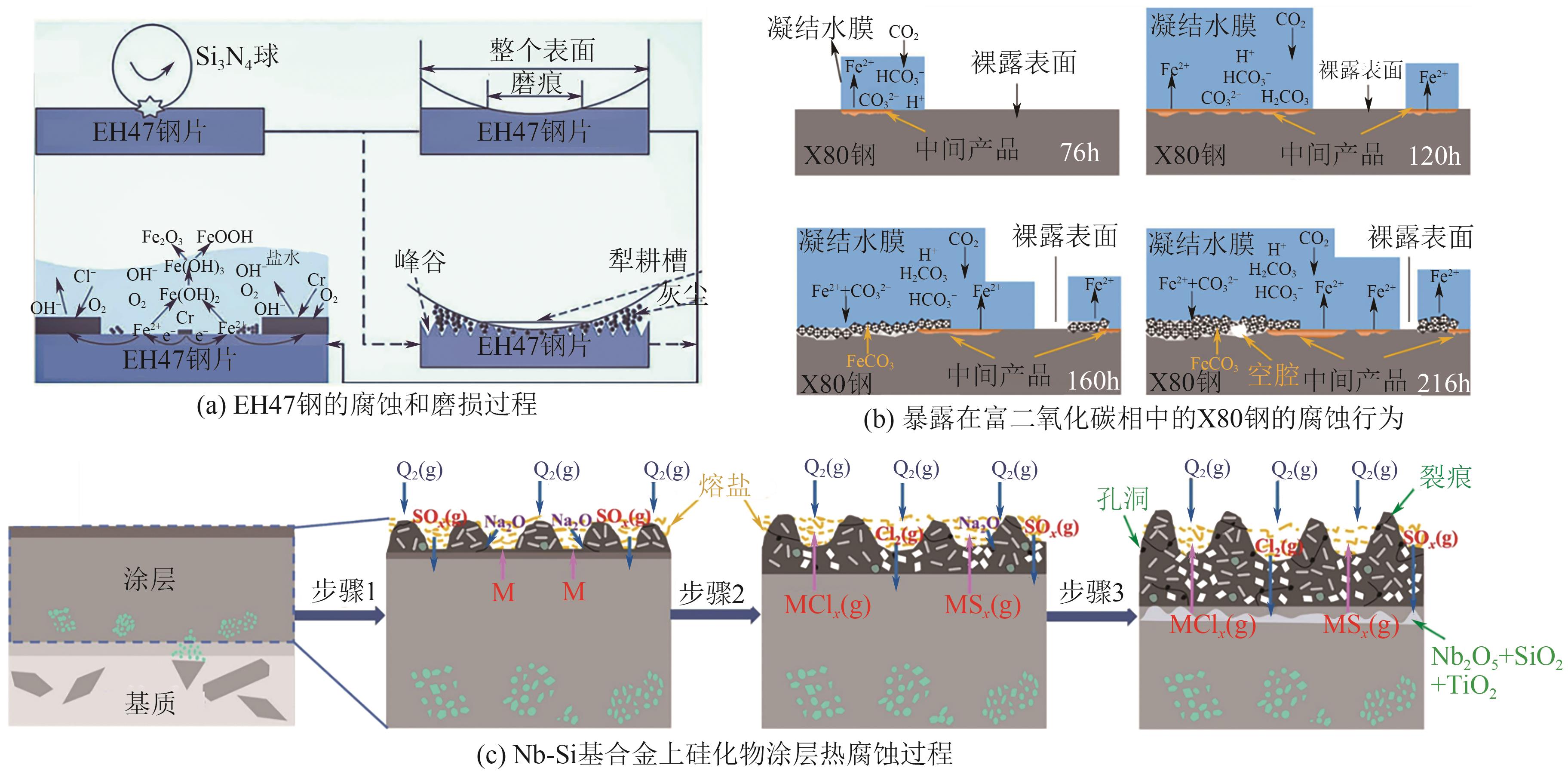
图5 原料替代导致的腐蚀过程及机理[76, 81, 84]
| 材料类型 | 优势 | 挑战与风险 | 对设备的影响 | 安全隐患 | 降解机制 |
|---|---|---|---|---|---|
| 生物基溶剂 | 可替代石油基溶剂,环境友好,降低对石油资源依赖 | 与现有设备材料的不兼容性,可能导致设备故障 | 对聚合物材料产生溶胀,影响密封件和管道 内衬 | 溶胀导致橡胶密封件力学性能下降,存在泄漏和爆炸风险 | 物理溶解和溶胀 |
| 聚乳酸(PLA) | 可降解,减少石油基塑料依赖,对环境友好 | 易降解,热稳定性差,低温下可能发生降解 | 受热时易变形,适用 温度范围窄 | 加工过程温度过高时可能降解,影响机械性能和使用寿命 | 热分解和机械应力 |
| 聚丁二酸丁二醇酯(PBS) | 降解后无毒性,对环境友好 | 在高温下可能出现降解,易受机械应力影响 | 加工过程中易降解,限制应用范围 | 加热过程中的降解及应力导致聚合物性能下降,影响使用寿命 | 热分解、应力降解 |
| 聚羟基烷酸酯 (PHA) | 可完全生物降解,减少石油基聚合物依赖 | 高温或机械应力下可能降解,稳定性较差 | 类似PLA的降解特性,适用温度有限 | 降解导致材料强度下降,影响工艺中的长期稳定性 | 生物降解、热降解 |
表4 不同生物基材料在化工过程中应用的对比分析[88-92]
| 材料类型 | 优势 | 挑战与风险 | 对设备的影响 | 安全隐患 | 降解机制 |
|---|---|---|---|---|---|
| 生物基溶剂 | 可替代石油基溶剂,环境友好,降低对石油资源依赖 | 与现有设备材料的不兼容性,可能导致设备故障 | 对聚合物材料产生溶胀,影响密封件和管道 内衬 | 溶胀导致橡胶密封件力学性能下降,存在泄漏和爆炸风险 | 物理溶解和溶胀 |
| 聚乳酸(PLA) | 可降解,减少石油基塑料依赖,对环境友好 | 易降解,热稳定性差,低温下可能发生降解 | 受热时易变形,适用 温度范围窄 | 加工过程温度过高时可能降解,影响机械性能和使用寿命 | 热分解和机械应力 |
| 聚丁二酸丁二醇酯(PBS) | 降解后无毒性,对环境友好 | 在高温下可能出现降解,易受机械应力影响 | 加工过程中易降解,限制应用范围 | 加热过程中的降解及应力导致聚合物性能下降,影响使用寿命 | 热分解、应力降解 |
| 聚羟基烷酸酯 (PHA) | 可完全生物降解,减少石油基聚合物依赖 | 高温或机械应力下可能降解,稳定性较差 | 类似PLA的降解特性,适用温度有限 | 降解导致材料强度下降,影响工艺中的长期稳定性 | 生物降解、热降解 |
| 传统原料 | 替代原料 | 结垢/沉积类型 | 潜在风险 | 影响分析 |
|---|---|---|---|---|
| 聚乙烯(PE) | 聚乳酸(PLA) | 固体沉积、结垢现象 | 降低设备传热效率,可能导致管道堵塞或压力升高 | PLA高温分解产物易在设备表面形成沉积物,影响反应过程的稳定性和设备的长期运行 |
| 有机溶剂(如醇类) | 离子液体 | 有机层积聚 | 沉积难以清除,可能导致设备腐蚀和长期性能下降 | 离子液体高沸点和高黏度特性使其在设备表面积聚,影响反应器的传热效率和反应速率 |
| 石油基溶剂(如苯类) | 高沸点有机化合物 | 沉积层积聚 | 长时间运行导致设备表面沉积增加,增加清洗和维护难度 | 高沸点有机化合物长时间在高温下运行容易在设备表面积聚,导致设备的热传导效率下降 |
表5 原料替代过程中的结垢与沉积效应对化工安全的影响对比分析[93-98]
| 传统原料 | 替代原料 | 结垢/沉积类型 | 潜在风险 | 影响分析 |
|---|---|---|---|---|
| 聚乙烯(PE) | 聚乳酸(PLA) | 固体沉积、结垢现象 | 降低设备传热效率,可能导致管道堵塞或压力升高 | PLA高温分解产物易在设备表面形成沉积物,影响反应过程的稳定性和设备的长期运行 |
| 有机溶剂(如醇类) | 离子液体 | 有机层积聚 | 沉积难以清除,可能导致设备腐蚀和长期性能下降 | 离子液体高沸点和高黏度特性使其在设备表面积聚,影响反应器的传热效率和反应速率 |
| 石油基溶剂(如苯类) | 高沸点有机化合物 | 沉积层积聚 | 长时间运行导致设备表面沉积增加,增加清洗和维护难度 | 高沸点有机化合物长时间在高温下运行容易在设备表面积聚,导致设备的热传导效率下降 |
| 1 | OSMAN Ahmed I, AYATI Ali, KRIVOSHAPKIN Pavel, et al. Coordination-driven innovations in low-energy catalytic processes: Advancing sustainability in chemical production[J]. Coordination Chemistry Reviews, 2024, 514: 215900. |
| 2 | GENGE Lucien, SCHELLER Fabian, Felix MÜSGENS. Supply costs of green chemical energy carriers at the European border: A meta-analysis[J]. International Journal of Hydrogen Energy, 2023, 48(98): 38766-38781. |
| 3 | JIANG Baohong, RAZA Muhammad Yousaf. Research on China’s renewable energy policies under the dual carbon goals: A political discourse analysis[J]. Energy Strategy Reviews, 2023, 48: 101118. |
| 4 | ZHANG Chonghui, WANG Zhenghui, LI Yihan, et al. Can green credit policy with dual-carbon targets make highly polluting enterprises “green”: A micro-analysis of total factor productivity growth[J]. Journal of Environmental Management, 2024, 367: 121981. |
| 5 | CHEN Zexian, WAN Liang, ZHENG Qiaoqiao, et al. Life makes cities greener: The impact of dual-policy of China in urban transformation on residents’ green lifestyles[J]. Journal of Environmental Management, 2024, 365: 121469. |
| 6 | HONG Yaoxiaoxue, JIANG Xianling, XU Heng, et al. The impacts of China’s dual carbon policy on green innovation: Evidence from Chinese heavy-polluting enterprises[J]. Journal of Environmental Management, 2024, 350: 119620. |
| 7 | WEN Wen, SU Yang, TANG Yinger, et al. Evaluating carbon emissions reduction compliance based on ‘dual control’ policies of energy consumption and carbon emissions in China[J]. Journal of Environmental Management, 2024, 367: 121990. |
| 8 | YAN Jinbiao, WANG Sha, HU Bin, et al. Review of chemical looping technology for energy conservation and utilization: CO2 capture and energy cascade utilization[J]. Journal of Environmental Chemical Engineering, 2024, 12(3): 112602. |
| 9 | WANG Yangyang, LIU Yangyang, XU Zaifeng, et al. A review on renewable energy-based chemical engineering design and optimization[J]. Renewable and Sustainable Energy Reviews, 2024, 189: 114015. |
| 10 | LI Qianyu, CAO Jiachun, LI Juan, et al. Novel insights into photoaging mechanisms and environmental persistence risks of polylactic acid (PLA) microplastics: Direct and indirect photolysis[J]. Science of the Total Environment, 2024, 954: 176350. |
| 11 | SEKAR Selwin Maria, NAGARAJAN Rajini, SELVAKUMAR Ponsuriyaprakash, et al. Isolation of microcrystalline cellulose from wood and fabrication of polylactic acid (PLA) based green biocomposites[J]. Journal of Renewable Materials, 2024, 12(8): 1455-1474. |
| 12 | THAMARAI P, VICKRAM A S, SARAVANAN A, et al. Recent advancements in biosynthesis, industrial production, and environmental applications of polyhydroxyalkanoates (PHAs): A review[J]. Bioresource Technology Reports, 2024, 27: 101957. |
| 13 | DE F A MARIZ Inês, MILLICHAMP Ian S, DE LA CAL José C, et al. High performance water-borne paints with high volume solids based on bimodal latexes[J]. Progress in Organic Coatings, 2010, 68(3): 225-233. |
| 14 | ZHANG Nan, XU Abby, SANJAYAN Jay, et al. Impact and potential of reclaimed water-based paint in concrete[J]. Journal of Building Engineering, 2024, 94: 109822. |
| 15 | LIU Pingkuo, GUI Junqing. Comparative analysis on the development potential of green hydrogen industry in China, the United States and the European Union[J]. International Journal of Hydrogen Energy, 2024, 84: 700-717. |
| 16 | DASH Snehasish, ARJUN SINGH K, JOSE S, et al. Advances in green hydrogen production through alkaline water electrolysis: A comprehensive review[J]. International Journal of Hydrogen Energy, 2024, 83: 614-629. |
| 17 | ABDEL-MAGEED Ali M, RUNGTAWEEVORANIT Bunyarat. Metal-organic frameworks-based heterogeneous single-atom catalysts (MOF-SACs)-Assessment and future perspectives[J]. Catalysis Today, 2024, 439: 114786. |
| 18 | VERMA Chandrabhan, RASHEED Tahir, ANWAR Muhammad Tuoqeer, et al. From metal-organic frameworks (MOFs) to metal-doped MOFs (MDMOFs): Current and future scenarios in environmental catalysis and remediation applications[J]. Microchemical Journal, 2023, 192: 108954. |
| 19 | YANG Yanan, JIN Jie, ZHU Litao, et al. Runaway criteria for predicting the thermal behavior of chemical reactors[J]. Current Opinion in Chemical Engineering, 2024, 43: 100986. |
| 20 | JIANG Juncheng, WEI Dan, NI Lei, et al. Inherent thermal runaway hazard evaluation method of chemical process based on fire and explosion index[J]. Journal of Loss Prevention in the Process Industries, 2020, 64: 104093. |
| 21 | DAKKOUNE Amine, Lamiae VERNIÈRES-HASSIMI, LEVENEUR Sébastien, et al. Analysis of thermal runaway events in French chemical industry[J]. Journal of Loss Prevention in the Process Industries, 2019, 62: 103938. |
| 22 | LI Zhi, ZHOU Fang, HU Min, et al. Enhancing thermal safety of hydrophobic SiO2 aerogels through introducing ammonium polyphosphate intercalated layered double hydroxides[J]. Ceramics International, 2024, 50(14): 25895-25907. |
| 23 | AYUB Yousaf, ZHOU Jianzhao, SHI Tao, et al. Process safety assessment of thermal technologies for biomass valorization by numerical descriptive approach[J]. Process Safety and Environmental Protection, 2023, 171: 803-811. |
| 24 | XIE Chuanxin, YUAN Yucan, WANG Ben, et al. Research on the decomposition kinetics and thermal hazards of aniline diazonium salt[J]. Thermochimica Acta, 2022, 709: 179156. |
| 25 | LI Shuang, MA Jiping, CHENG Jiawen, et al. Functional materials-based sample pretreatment for disinfection by-products[J]. TrAC Trends in Analytical Chemistry, 2023, 168: 117296. |
| 26 | SAMBORSKA Katarzyna, BOOSTANI Sareh, GERANPOUR Mansoureh, et al. Green biopolymers from by-products as wall materials for spray drying microencapsulation of phytochemicals[J]. Trends in Food Science & Technology, 2021, 108: 297-325. |
| 27 | LING WEN XIA Felicia, SUPRI Sarifah, DJAMALUDIN Heder, et al. Turning waste into value: Extraction and effective valorization strategies of seafood by-products[J]. Waste Management Bulletin, 2024, 2(3): 84-100. |
| 28 | DING Shunke, DENG Yang, BOND Tom, et al. Disinfection byproduct formation during drinking water treatment and distribution: A review of unintended effects of engineering agents and materials[J]. Water Research, 2019, 160: 313-329. |
| 29 | GHANADI Mahyar, Melanie KAH, KOOKANA Rai S, et al. Formation of disinfection by-products from microplastics, tire wear particles, and other polymer-based materials[J]. Water Research, 2023, 230: 119528. |
| 30 | LIU Yecheng, JIANG Juncheng, HUANG Anchi, et al. Hazard assessment of the thermal stability of nitrification by-products by using an advanced kinetic model[J]. Process Safety and Environmental Protection, 2022, 160: 91-101. |
| 31 | ZHU Hongqing, HUO Yujia, WANG Wei, et al. Quantum chemical calculation of reaction characteristics of hydroxyl at different positions during coal spontaneous combustion[J]. Process Safety and Environmental Protection, 2021, 148: 624-635. |
| 32 | BABRAUSKAS Vytenis. Explosions of ammonium nitrate fertilizer in storage or transportation are preventable accidents[J]. Journal of Hazardous Materials, 2016, 304: 134-149. |
| 33 | KARRE Avinashkumar V, GARLAPALLI Ravinder Kumar, JENA Akash, et al. State of the art developments in oxidation performance and deactivation of diesel oxidation catalyst (DOC)[J]. Catalysis Communications, 2023, 179: 106682. |
| 34 | WANG Fuli, WANG Penglu, ZHANG Jin, et al. Deactivation mechanisms and anti-deactivation strategies of molecular sieve catalysts for NO x reduction[J]. Chinese Chemical Letters, 2024, 35(3): 108800. |
| 35 | NEYESTANAKI Ahmad Kalantar, KLINGSTEDT Fredrik, SALMI Tapio, et al. Deactivation of postcombustion catalysts, a review[J]. Fuel, 2004, 83(4/5): 395-408. |
| 36 | WANG Xiaoqiang, CHI Rujing, GU Liding, et al. Effect of water vapor on low temperature SCR performances over Cu and Mn-based catalysts: A comparison study[J]. Journal of Rare Earths, 2024, 24: 136778. |
| 37 | DHANDA Anil, Rishabh RAJ, SATHE S M, et al. Graphene and biochar-based cathode catalysts for microbial fuel cell: Performance evaluation, economic comparison, environmental and future perspectives[J]. Environmental Research, 2023, 231: 116143. |
| 38 | OYEKUNLE Daniel T, BARASA Maulidi, GENDY Eman A, et al. Heterogeneous catalytic transesterification for biodiesel production: Feedstock properties, catalysts and process parameters[J]. Process Safety and Environmental Protection, 2023, 177: 844-867. |
| 39 | Francisco MORALES-LEAL, ANCHEYTA Jorge, Pablo TORRES-MANCERA, et al. Characterization of spent catalysts from hydrotreating of different feedstocks in batch reactor[J]. Fuel, 2024, 371: 131938. |
| 40 | CERQUEIRA H S, CAEIRO G, COSTA L, et al. Deactivation of FCC catalysts[J]. Journal of Molecular Catalysis A: Chemical, 2008, 292(1/2): 1-13. |
| 41 | HARTH F M, LIKOZAR B, GRILC M. Stability of solid rhenium catalysts for liquid-phase biomass valorization-various facets of catalyst deactivation and rhenium leaching[J]. Materials Today Chemistry, 2022, 26: 101191. |
| 42 | YORO Kelvin O, DARAMOLA Michael O, SEKOAI Patrick T, et al. Advances and emerging techniques for energy recovery during absorptive CO2 capture: A review of process and non-process integration-based strategies[J]. Renewable and Sustainable Energy Reviews, 2021, 147: 111241. |
| 43 | WONG Kang Yao, Jo-Han NG, CHONG Cheng Tung, et al. Biodiesel process intensification through catalytic enhancement and emerging reactor designs: A critical review[J]. Renewable and Sustainable Energy Reviews, 2019, 116: 109399. |
| 44 | LI Xingchen, HUANG Yiyong, WU Zan, et al. High conversion hydrogen peroxide microchannel reactors: Design and two-phase flow instability investigation[J]. Chemical Engineering Journal, 2021, 422: 130080. |
| 45 | PAUNOVIC Violeta, SCHOUTEN Jaap C, Alexander NIJHUIS T. Direct synthesis of hydrogen peroxide using concentrated H2 and O2 mixtures in a wall-coated microchannel-kinetic study[J]. Applied Catalysis A: General, 2015, 505: 249-259. |
| 46 | THEKKUDEN Dinu Thomas, MOURAD Abdel-Hamid Ismail, BOUZID Abdel-Hakim. Failures and leak inspection techniques of tube-to-tubesheet joints: A review[J]. Engineering Failure Analysis, 2021, 130: 105798. |
| 47 | Aashna RAJ, I A Sofia LARSSON, LJUNG Anna-Lena, et al. Evaluating hydrogen gas transport in pipelines: Current state of numerical and experimental methodologies[J]. International Journal of Hydrogen Energy, 2024, 67: 136-149. |
| 48 | REN Meng, QIAN Xufang, CHEN Yuetian, et al. Potential lead toxicity and leakage issues on lead halide perovskite photovoltaics[J]. Journal of Hazardous Materials, 2022, 426: 127848. |
| 49 | GIANOUTSOS Nicholas J, HAASE Karl B, BIRDWELL Justin E. Geologic sources and well integrity impact methane emissions from orphaned and abandoned oil and gas wells[J]. Science of the Total Environment, 2024, 912: 169584. |
| 50 | LI Zhigang, WEI Mengjie, ZHU Ye, et al. Fabrication of photocurable liquid-like easy-cleaning coatings based on a polydimethylsiloxane-modified silicone resin[J]. Progress in Organic Coatings, 2024, 187: 108169. |
| 51 | SHI Song, ZHANG Da, BI Lansen, et al. Enhancement of thermal conductivity and insulation of silicone thermal interface material through surface modification and synergistic effects of nanofillers for thermal management of electronic devices[J]. Diamond and Related Materials, 2024, 145: 111064. |
| 52 | WANG Yue, LUO Jialiang, LU Zhehong, et al. A review of the high-concentration processing, densification, and applications of graphene oxide and graphene[J]. New Carbon Materials, 2024, 39(3): 483-505. |
| 53 | SUN Jiawei, XIONG Yuwei, JIA Haiyang, et al. Enhanced reduction of graphene oxide via laser-dispersion coupling: Towards large-scale, low-defect graphene for crease-free heat-dissipating membranes in advanced flexible electronics[J]. Science Bulletin, 2024, 69(11): 1716-1727. |
| 54 | SHARMA Neha, KUMAR Vinay, VIMAL S, et al. Microplastic residues in clinical samples: A retrospection on sources, entry routes, detection methods and human toxicity[J]. Trends in Analytical Chemistry, 2024, 173: 117618. |
| 55 | CHATZISTATHIS T, KOUTSOS T. Olive mill wastewater as a source of organic matter, water and nutrients for restoration of degraded soils and for crops managed with sustainable systems[J]. Agricultural Water Management, 2017, 190: 55-64. |
| 56 | BADAMASI Hamza, SANNI Saheed O, Odunayo T ORE, et al. Eggshell waste materials-supported metal oxide nanocomposites for the efficient photocatalytic degradation of organic dyes in water and wastewater: A review[J]. Bioresource Technology Reports, 2024, 26: 101865. |
| 57 | WANG Ruiyao, NABI Mohammad, JIANG Yue, et al. Characterizing properties and environmental behaviors of organic matter in sludge using liquid chromatography organic carbon detection and organic nitrogen detection: A mini-review[J]. Environmental Research, 2024, 262: 119900. |
| 58 | GONG Xuehan, XU Donghai, DIAO Yunfei, et al. Nitrogen removal mechanisms and effect enhancement of N-containing organic matters in supercritical water[J]. Journal of Cleaner Production, 2024, 434: 139974. |
| 59 | WANG Xingyu, FANG Chao, XIAO Rong, et al. Rapid degradation of brominated haloacetaldehydes at elevated temperature: Kinetics and newly discovered mechanisms[J]. Water Research, 2024, 253: 121298. |
| 60 | CAO Chunshuai, WANG Jingzhen, YANG Liping, et al. A review on the advancement in photocatalytic degradation of poly/perfluoroalkyl substances in water: Insights into the mechanisms and structure-function relationship[J]. Science of the Total Environment, 2024, 946: 174137. |
| 61 | MUKHERJEE Poulami, SATHIYAN Krishnamoorthy, ZIDKI Tomer, et al. Electrochemical degradation of per- and poly-fluoroalkyl substances in the presence of natural organic matter[J]. Separation and Purification Technology, 2023, 325: 124639. |
| 62 | KHOSHYAN Ashkan, LUO Yunlong, NOLAN Annette, et al. Degradation of per- and poly-fluoroalkyl substances (PFAS) using ultrasonication: Effect of reactor materials[J]. Journal of Water Process Engineering, 2024, 63: 105511. |
| 63 | WAHYONO Yoyon, SASONGKO Nugroho Adi, TRENCH Allan, et al. Evaluating the impacts of environmental and human health of the critical minerals mining and processing industries in Indonesia using life cycle assessment[J]. Case Studies in Chemical and Environmental Engineering, 2024, 10: 100944. |
| 64 | SINGH Khareen, IHLENFELD Christian, OATES Christopher, et al. Developing a screening method for the evaluation of environmental and human health risks of synthetic chemicals in the mining industry[J]. International Journal of Mineral Processing, 2011, 101(1/2/3/4): 1-20. |
| 65 | CHEN Kaitao, GU Xin, CAI Min, et al. Emission characteristics, environmental impacts and health risk assessment of volatile organic compounds from the typical chemical industry in China[J]. Journal of Environmental Sciences, 2025, 149: 113-125. |
| 66 | ZHU Haibao, CHEN Yuanchen, RUAN Zheng, et al. Comprehensive characterization of volatile organic compounds in Chinese chemical industry park soils: Spatial variation, source identification, and health risk assessment[J]. Journal of Environmental Sciences, 2024, 155: 48-59. |
| 67 | XU Dong, WANG Zejun, TAN Xiaoyu, et al. Integrated assessment of the pollution and risk of heavy metals in soils near chemical industry parks along the middle Yangtze River[J]. Science of the Total Environment, 2024, 917: 170431. |
| 68 | MARRAS Graziella, CARCANGIU Gianfranco, MELONI Paola, et al. Circular economy in marble industry: From stone scraps to sustainable water-based paints[J]. Construction and Building Materials, 2022, 325: 126768. |
| 69 | David FERNÁNDEZ-CALVIÑO, ROUSK Johannes, Erland BÅÅTH, et al. Isothiazolinone inhibition of soil microbial activity persists despite biocide dissipation[J]. Soil Biology and Biochemistry, 2023, 178: 108957. |
| 70 | MALINOWSKA Izabela, PASZKIEWICZ Oliwia, Agata MARKOWSKA-SZCZUPAK, et al. New trifunctional acrylic water-based paint with self-cleaning, biocidal and magnetic properties[J]. Ceramics International, 2024, 50(1): 819-828. |
| 71 | VAN UUNEN Dónal, KLOUKINIOTI Maria, KOOTER Ingeborg M, et al. Suspension of micro- and nanoplastic test materials: Liquid compatibility, (bio)surfactants, toxicity and environmental relevance[J]. Environmental Pollution, 2024, 356: 124306. |
| 72 | REZENDE Talita C, SILVESTRE Joana C M, MENDONÇA Patrícia V, et al. Efficient dispersion of TiO2 in water-based paint formulation using well-defined poly[oligo(ethylene oxide) methyl ether acrylate] synthesized by ICAR ATRP[J]. Progress in Organic Coatings, 2022, 165: 106734. |
| 73 | KRITHIKA D, PHILIP Ligy. Treatment of wastewater from water based paint industries using submerged attached growth reactor[J]. International Biodeterioration & Biodegradation, 2016, 107: 31-41. |
| 74 | WANG Yadong, GAO Jingjing, MA Li, et al. Full bio-based flame retardant towards multifunctional polylactic acid: Crystallization, flame retardant, antibacterial and enhanced mechanical properties[J]. International Journal of Biological Macromolecules, 2024, 280: 135891. |
| 75 | YU Mingming, GAO Zhimin, XIE Wang, et al. A novel strategy utilizing oxidation states of phosphorus for designing efficient phosphorus-containing flame retardants and its performance in epoxy resins[J]. Polymer Degradation and Stability, 2024, 230: 111016. |
| 76 | XIONG Yingshuo, CAO Meiwen. Application of surfactants in corrosion inhibition of metals[J]. Current Opinion in Colloid & Interface Science, 2024, 73: 101830. |
| 77 | XU Ziyuan, YANG Yingying, MAO Shijie, et al. Review on corrosion of alloys for application in supercritical carbon dioxide brayton cycle[J]. Heliyon, 2023, 9(11): e22169. |
| 78 | HUSSEIN Shaymaa Abbood, KHADOM Anees A, KADHUM Abdul Amir H, et al. Mass transfer influence on the corrosion inhibition of N80 steel in 1 M H2SO4 by green corrosion inhibitor using MATLAB[J]. International Journal of Electrochemical Science, 2024, 19(10): 100764. |
| 79 | SHWETHA KM, PRAVEEN B M, DEVENDRA Bharath K. A review on corrosion inhibitors: Types, mechanisms, electrochemical analysis, corrosion rate and efficiency of corrosion inhibitors on mild steel in an acidic environment[J]. Results in Surfaces and Interfaces, 2024, 16: 100258. |
| 80 | PEI Wenle, PEI Xiaoliang, XIE Zhuangzhuang, et al. Research progress of marine anti-corrosion and wear-resistant coating[J]. Tribology International, 2024, 198: 109864. |
| 81 | CHEN Guanghui, SHAO Wei, ZHOU Aohan, et al. Effect of B on hot corrosion behavior of silicide coatings under different corrosive environments at 900℃[J]. Surface and Coatings Technology, 2024, 489: 131160. |
| 82 | KEDIMAR Namitha, RAO Padmalatha, RAO Suma A. Imidazole-based ionic liquid as sustainable green inhibitor for corrosion control of steel alloys: A review[J]. Journal of Molecular Liquids, 2024, 411: 125789. |
| 83 | VERMA Chandrabhan, ALREFAEE Salhah Hamed, QURAISHI M A, et al. Recent developments in sustainable corrosion inhibition using ionic liquids: A review[J]. Journal of Molecular Liquids, 2021, 321: 114484. |
| 84 | WANG Xiaodan, YANG Pu, LI Ruidong, et al. Investigation of supercritical CO2 corrosion behavior of X80 carbon steel in pipelines: An in situ experimental and DFT study[J]. The Journal of Supercritical Fluids, 2024, 213: 106371. |
| 85 | WANG Xintong, YANG Jiang, CHEN Xu. 2-Benzylsulfanyl-1H-benzimidazole and its mixture as highly efficient corrosion inhibitors for carbon steel under dynamic supercritical CO2 flow conditions[J]. Corrosion Science, 2024, 235: 112170. |
| 86 | BANERJEE Amritanshu, Samit Kumar RAY. Nitrocellulose filled and natural rubber grafted poly(styrene-co-acrylonitrile) organophilic membranes for pervaporative recovery of aliphatic alcohols from water[J]. Separation and Purification Technology, 2021, 266: 118563. |
| 87 | ZHANG Ning, PANG Yong, LI Zhaohui, et al. Rubber-like and biodegradable poly(vinyl alcohol) composites with triple networks for high-efficiency solvent barrier[J]. Composites Science and Technology, 2023, 231: 109801. |
| 88 | AKDOGAN Zeynep, GUVEN Basak. Microplastics in the environment: A critical review of current understanding and identification of future research needs[J]. Environmental Pollution, 2019, 254: 113011. |
| 89 | Jiří VOHLÍDAL. Polymer degradation: A short review[J]. Chemistry Teacher International, 2021, 3(2): 213-220. |
| 90 | GEYER Roland, JAMBECK Jenna R, LAW Kara Lavender. Production, use, and fate of all plastics ever made[J]. Science Advances, 2017, 3(7): e1700782. |
| 91 | LUO Chenkai, ZHOU Ya, CHEN Zhitong, et al. Comparative life cycle assessment of PBAT from fossil-based and second-generation generation bio-based feedstocks[J]. Science of the Total Environment, 2024, 954: 176421. |
| 92 | DINTCHEVA Nadka Tz. Overview of polymers and biopolymers degradation and stabilization towards sustainability and materials circularity[J]. Polymer, 2024, 306: 127136. |
| 93 | CHEN Yizhuo, CUI Bo, DOU Yuhang, et al. Characteristics of biofilms on polylactic acid microplastics and their inhibitory effects on the growth of rice seedlings: A comparative study of petroleum-based microplastics[J]. Journal of Hazardous Materials, 2024, 478: 135469. |
| 94 | WANG Gang, LI Aimin. Thermal decomposition and kinetics of mixtures of polylactic acid and biomass during copyrolysis[J]. Chinese Journal of Chemical Engineering, 2008, 16(6): 929-933. |
| 95 | HAO Liting, REN Siling, LI Jiayong, et al. Feasibility of biodegradable material polylactic acid as a substitute for polypropylene for disposable medical masks production verified by life cycle assessment[J]. Journal of Cleaner Production, 2024, 448: 141492. |
| 96 | VIEIRA Jean C B, VILLETTI Marcos A, BENDER Caroline R, et al. Thermal decomposition kinetics and mechanisms of long alkyl chain ionic liquids with carboxylate anions[J]. Thermochimica Acta, 2024, 732: 179640. |
| 97 | LIU Shanghao, ZHANG Liyu. Thermal stabilities and decomposition mechanisms under oxygen and nitrogen atmospheres for imidazolium ionic liquids with different cations[J]. Journal of Molecular Liquids, 2024, 393: 123451. |
| 98 | ZHANG Cailing, WANG Yutao, CHEN Baiquan, et al. Utilizing electronic assisted enhancement: An innovative approach for studying the thermal decomposition and combustion of ionic liquids[J]. Defence Technology, 2024, 44: 179-189. |
| 99 | LI Zhan, DENG Yuzhen, DEWANGAN Nikita, et al. High temperature water permeable membrane reactors for CO2 utilization[J]. Chemical Engineering Journal, 2021, 420: 129834. |
| 100 | SUN Yuanxiu, JIA Zhengyang, YU Bo, et al. Research progress of nanoparticles enhanced carbon dioxide foam stability and assisted carbon dioxide storage: A review[J]. Chemical Engineering Journal, 2024, 495: 153177. |
| 101 | GHOREISHIAN Seyed Majid, SHARIATI Kaveh, Yun Suk HUH, et al. Recent advances in ammonia synthesis over ruthenium single-atom-embedded catalysts: A focused review[J]. Chemical Engineering Journal, 2023, 467: 143533. |
| 102 | SHI Wenying, LI Tengfei, LI Hongbin, et al. Continuous biodiesel production from acidic oil using a combination of the acid-, alkali-catalyzed membrane and GO/PVDF separation membrane[J]. Journal of Industrial and Engineering Chemistry, 2022, 107: 268-279. |
| 103 | BANSOD Praful, KODAPE Shyam, BHASARKAR Jaykumar, et al. Ceramic membranes (Al2O3/TiO2) used for separation glycerol from biodiesel using response surface methodology[J]. Materials Today: Proceedings, 2022, 57: 1101-1107. |
| [1] | 乔金樑. 原料替代助力我国石化产业高质量发展[J]. 化工进展, 2025, 44(5): 2803-2805. |
| [2] | 曹泷, 王光辉, 胡春霞, 杨卧龙, 吴学红. 管内微-纳多孔镀层强化R245fa垂直上升流动沸腾传热特性[J]. 化工进展, 2024, 43(12): 6615-6625. |
| [3] | 郭文杰, 翟玉玲, 陈文哲, 申鑫, 邢明. Al2O3-CuO/水混合纳米流体对流传热性能及热经济性分析[J]. 化工进展, 2023, 42(5): 2315-2324. |
| [4] | 邹银才, 李清国, 吴辉, 钟小兵, 陈咸志. 弹载相变热沉传热仿真与优化[J]. 化工进展, 2023, 42(3): 1248-1256. |
| [5] | 谢迎春, 马洪亭, 徐畅, 马硕, 陈默, 刘军, 孙国强. 竖管渗流降膜蒸发式冷凝器传热特性分析[J]. 化工进展, 2023, 42(3): 1187-1194. |
| [6] | 周智程, 魏爱博, 屈健, 关凤渤, 郭泽霖. 管板结构脉动热管冷却动力电池的传热特性[J]. 化工进展, 2020, 39(10): 3916-3925. |
| [7] | 赵朋飞,张小辉,张汉,冯鹏,徐佳瑞. 非等温液-液对置撞击面温度分布均匀性[J]. 化工进展, 2019, 38(12): 5297-5305. |
| [8] | 孙斌,董爽,杨迪,李洪伟. 多壁碳纳米管-水/乙二醇纳米流体在汽车散热器中的传热特性[J]. 化工进展, 2019, 38(03): 1207-1217. |
| [9] | 李兆宁, 赵彦杰, 范亚茹. 相变蓄冷浆体材料研究进展[J]. 化工进展, 2018, 37(S1): 108-116. |
| [10] | 马乾, 刘雪东, 温传美, 谢红笑, 尹传忠. 网纹内管双套管双管板安全型换热器的传热性能[J]. 化工进展, 2018, 37(06): 2109-2115. |
| [11] | 谢涛, 杨伯伦. 基于太阳能蓄热过程的甲烷二氧化碳重整研究进展[J]. 化工进展, 2016, 35(06): 1723-1732. |
| [12] | 张家栋1,尚 琼2,鲁厚芳1,梁 斌1. 麻疯树籽油生物柴油-0#柴油混合燃料与橡胶、塑料的兼容性[J]. 化工进展, 2013, 32(08): 1807-1812. |
| [13] | 屈 健. 脉动热管技术研究及应用进展[J]. 化工进展, 2013, 32(01): 33-41. |
| [14] | 潘 亮,潘敏强,吴 磊,汤 勇. 小型叠板式换热器传热与流阻特性实验 [J]. 化工进展, 2008, 27(3): 448-. |
| 阅读次数 | ||||||
|
全文 |
|
|||||
|
摘要 |
|
|||||