Chemical Industry and Engineering Progress ›› 2025, Vol. 44 ›› Issue (6): 3238-3246.DOI: 10.16085/j.issn.1000-6613.2024-1802
• Special Column: Chemical process intensification • Previous Articles
Structural optimization and operational performance analysis of cyclone separators in a 3.6Mt/a catalytic cracking unit
WANG Heng1,2,3( ), LU Chunxi1,2()
- 1.State Key Laboratory of Heavy Oil Processing, China University of Petroleum (Beijing), Beijing 102249, China
2.College of Chemical Engineering and Environment, China University of Petroleum (Beijing), Beijing 102249, China
3.Guangdong Petrochemical Limited Company, Jieyang 515200, Guangdong, China
-
Received:2024-11-06Revised:2024-12-19Online:2025-07-08Published:2025-06-25 -
Contact:LU Chunxi
3.6Mt/a催化裂化旋风分离装置结构优选及运行效果分析
王恒1,2,3(), 卢春喜1,2()
- 1.中国石油大学(北京)重质油全国重点实验室,北京 102249
2.中国石油大学(北京)化学工程与环境学院,北京 102249
3.广东石化有限责任公司,广东 揭阳 515200
-
通讯作者:卢春喜 -
作者简介:王恒(1985—),男,高级工程师,研究方向为炼油化工生产技术开发与生产管理。E-mail:wangh3-gd@petrochina.com.cn。

CLC Number:
Cite this article
WANG Heng, LU Chunxi. Structural optimization and operational performance analysis of cyclone separators in a 3.6Mt/a catalytic cracking unit[J]. Chemical Industry and Engineering Progress, 2025, 44(6): 3238-3246.
王恒, 卢春喜. 3.6Mt/a催化裂化旋风分离装置结构优选及运行效果分析[J]. 化工进展, 2025, 44(6): 3238-3246.
share this article
Add to citation manager EndNote|Ris|BibTeX
URL: https://hgjz.cip.com.cn/EN/10.16085/j.issn.1000-6613.2024-1802
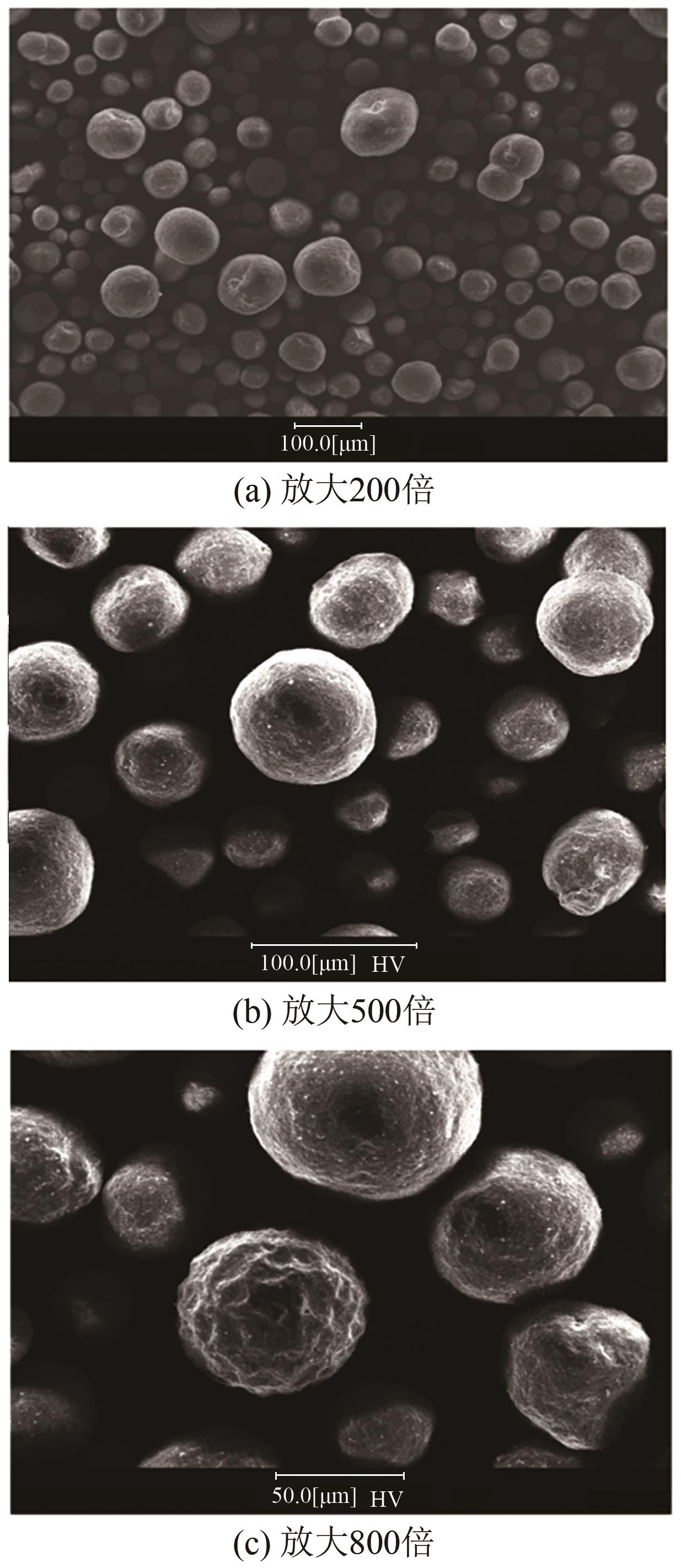
| 体积分数/% | 粒径 |
|---|---|
| 0.4 | 0~20μm |
| 12.2 | 20~40μm |
| 28.0 | 40~60μm |
| 23.9 | 60~80μm |
| 19.8 | 80~110μm |
| 15.7 | >111μm |
| 体积分数/% | 粒径 |
|---|---|
| 0.4 | 0~20μm |
| 12.2 | 20~40μm |
| 28.0 | 40~60μm |
| 23.9 | 60~80μm |
| 19.8 | 80~110μm |
| 15.7 | >111μm |
| 网格 | 网格数 | 网格面数 | 网格节点数 |
|---|---|---|---|
| 1 | 2962863 | 5887058 | 513383 |
| 2 | 3906753 | 7748089 | 686239 |
| 3 | 4856761 | 9655236 | 865672 |
| 网格 | 网格数 | 网格面数 | 网格节点数 |
|---|---|---|---|
| 1 | 2962863 | 5887058 | 513383 |
| 2 | 3906753 | 7748089 | 686239 |
| 3 | 4856761 | 9655236 | 865672 |
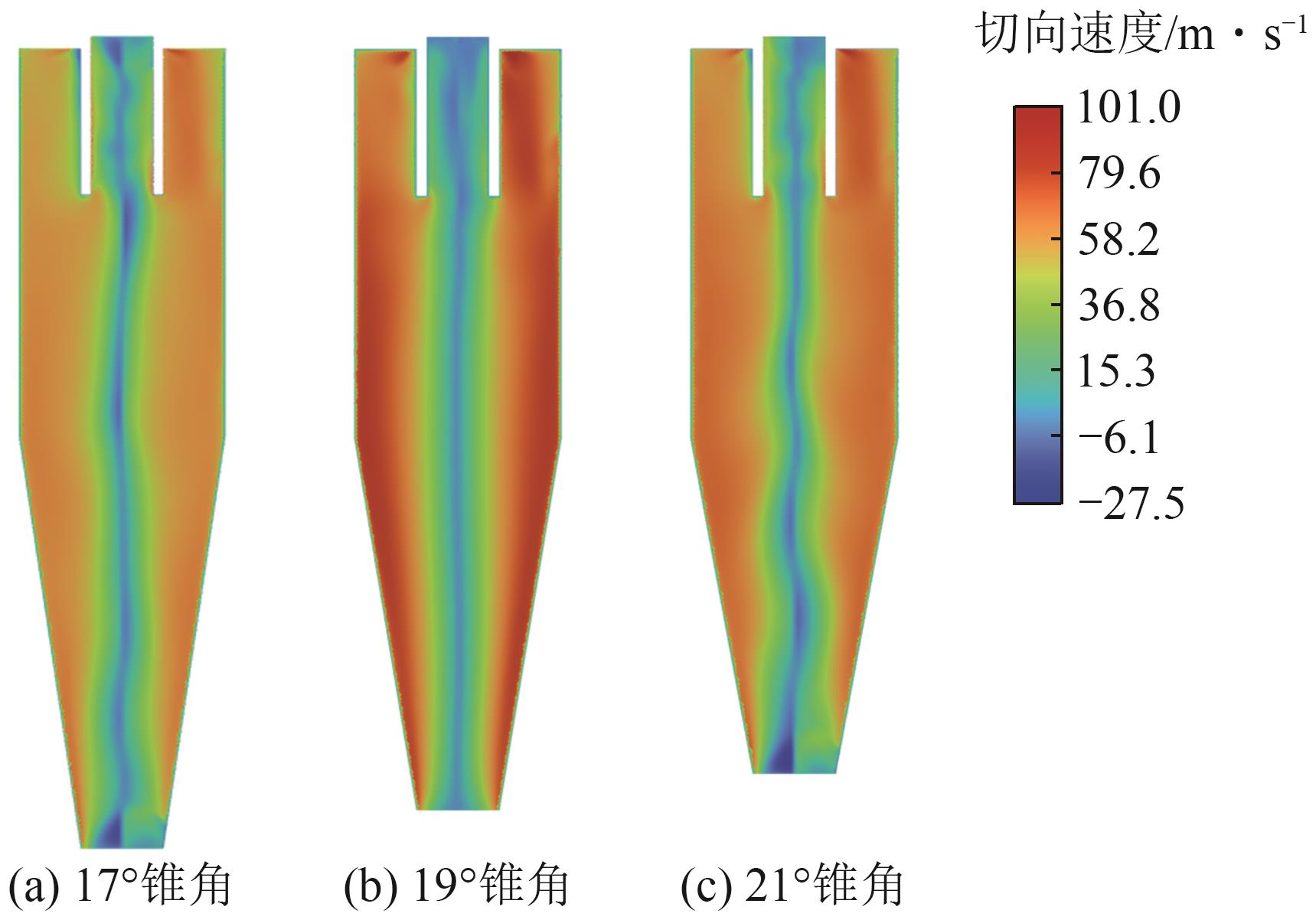
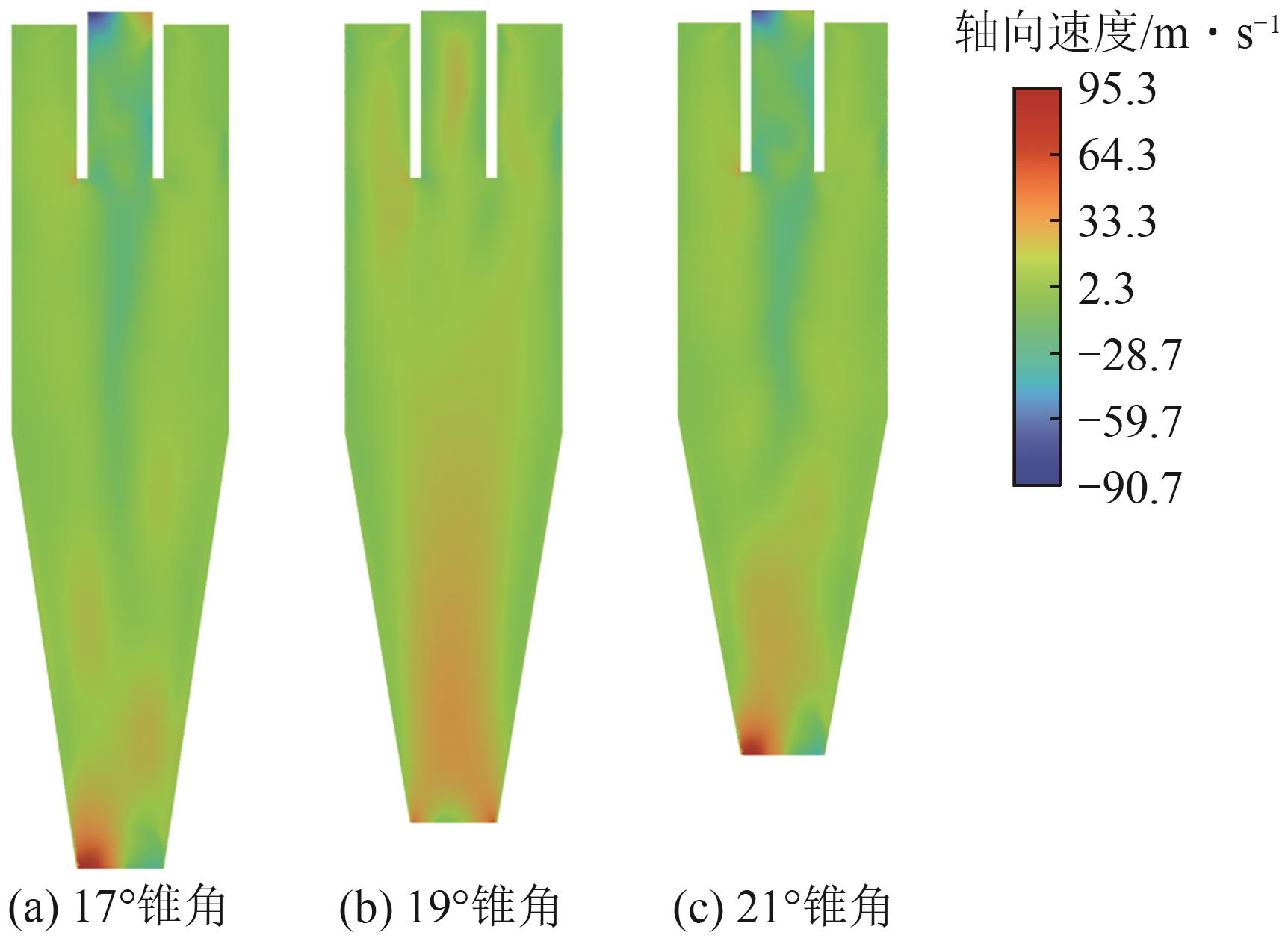
| 工况序号 | 操作时间 | 再生器主风量①/m³·h-1 | 再生器顶部压力/kPa | 再生器顶部温度/℃ | 再生器一二旋总压降/kPa | 再生器三旋总压降/kPa |
|---|---|---|---|---|---|---|
| 1 | 2024-04-11 | 317818.2 | 292.6 | 684.03 | 9.12 | 13.89 |
| 2 | 2024-05-20 | 303696.6 | 287.6 | 679.35 | 8.27 | 12.76 |
| 3 | 2024-06-18 | 282969.0 | 270.1 | 674.35 | 7.48 | 11.84 |
| 4 | 2024-07-09 | 292660.2 | 280.1 | 677.50 | 7.85 | 12.35 |
| 工况序号 | 操作时间 | 再生器主风量①/m³·h-1 | 再生器顶部压力/kPa | 再生器顶部温度/℃ | 再生器一二旋总压降/kPa | 再生器三旋总压降/kPa |
|---|---|---|---|---|---|---|
| 1 | 2024-04-11 | 317818.2 | 292.6 | 684.03 | 9.12 | 13.89 |
| 2 | 2024-05-20 | 303696.6 | 287.6 | 679.35 | 8.27 | 12.76 |
| 3 | 2024-06-18 | 282969.0 | 270.1 | 674.35 | 7.48 | 11.84 |
| 4 | 2024-07-09 | 292660.2 | 280.1 | 677.50 | 7.85 | 12.35 |
| 采样时间 | <10μm颗粒占比/% | 10~30μm颗粒占比/% | >30μm颗粒占比/% | D(v, 0.9)/μm | 最大粒径/μm |
|---|---|---|---|---|---|
| 2024-05-20 | 58.32 | 39.76 | 1.92 | 21.89 | 41.27 |
| 2024-06-18 | 51.29 | 38.66 | 10.05 | 30.04 | 53.94 |
| 2024-07-09 | 63.78 | 30.39 | 5.83 | 25.91 | 53.94 |
| 采样时间 | <10μm颗粒占比/% | 10~30μm颗粒占比/% | >30μm颗粒占比/% | D(v, 0.9)/μm | 最大粒径/μm |
|---|---|---|---|---|---|
| 2024-05-20 | 58.32 | 39.76 | 1.92 | 21.89 | 41.27 |
| 2024-06-18 | 51.29 | 38.66 | 10.05 | 30.04 | 53.94 |
| 2024-07-09 | 63.78 | 30.39 | 5.83 | 25.91 | 53.94 |
| 采样时间 | <5μm 颗粒占比/% | 5~10μm 颗粒占比/% | >10μm 颗粒占比/% | D(v, 0.9)/μm | 最大粒径/μm |
|---|---|---|---|---|---|
| 2024-04-11 | 98.07 | 1.93 | 0 | 3.04 | 8.28 |
| 2024-05-20 | 99.78 | 0.22 | 0 | 2.44 | 6.34 |
| 2024-07-09 | 99.82 | 0.18 | 0 | 2.31 | 6.34 |
| 采样时间 | <5μm 颗粒占比/% | 5~10μm 颗粒占比/% | >10μm 颗粒占比/% | D(v, 0.9)/μm | 最大粒径/μm |
|---|---|---|---|---|---|
| 2024-04-11 | 98.07 | 1.93 | 0 | 3.04 | 8.28 |
| 2024-05-20 | 99.78 | 0.22 | 0 | 2.44 | 6.34 |
| 2024-07-09 | 99.82 | 0.18 | 0 | 2.31 | 6.34 |
| 体积分数/% | 粒径范围 |
|---|---|
| 3.90 | <30μm |
| 64.82 | 30~80μm |
| 31.28 | >80μm |
| 体积分数/% | 粒径范围 |
|---|---|
| 3.90 | <30μm |
| 64.82 | 30~80μm |
| 31.28 | >80μm |
| [1] | 陈俊武, 许友好. 催化裂化工艺与工程[M]. 3版. 北京: 中国石化出版社, 2015: 40-49. |
| CHEN Junwu, XU Youhao. Catalytic cracking technology and engineering[M]. 3rd ed. Beijing: China PetroChemical Press, 2015: 40-49. | |
| [2] | 陈俊武, 卢捍卫. 催化裂化在炼油厂中的地位和作用展望——催化裂化仍将发挥主要作用[J]. 石油学报(石油加工), 2003, 19(1): 1-11. |
| CHEN Junwu, LU Hanwei. Prospects of status and role of FCC in refinery—FCC will continue to play a leading role in petroleum refining industry[J]. Acta Petrolei Sinica (Petroleum Processing Section), 2003, 19(1): 1-11. | |
| [3] | 闵恩泽. 流态化催化裂化的发明[J]. 石油知识, 2014 (2): 12-13. |
| MIN Enze. The invention of fluid catalytic cracking[J]. Petroleum Knowledge, 2014 (2): 12-13. | |
| [4] | 中华人民共和国工业和信息化部. 烟气轮机技术条件: [S]. 北京:化学工业出版社, 2013. |
| Ministry of Industry and Information of the People’s Republic of China. Technical conditions for gas turbines: [S]. Beijing: Chemical Industry Press, 2013. | |
| [5] | 王建军, 郭颖, 陈帅甫, 等. 烟气轮机动叶流道内颗粒运动的流动显示实验[J]. 化工学报, 2018, 69(4): 1454-1460. |
| WANG Jianjun, GUO Ying, CHEN Shuaifu, et al. Visualization of particle movement in flow path of flue gas turbine[J]. CIESC Journal, 2018, 69(4): 1454-1460. | |
| [6] | 陈帅甫, 王建军, 金有海. 烟气轮机叶片表面颗粒沉积粘附模型[J]. 过程工程学报, 2018, 18(3): 447-453. |
| CHEN Shuaifu, WANG Jianjun, JIN Youhai. Model of particle deposition and adhesion on blade surface of flue gas turbine[J]. The Chinese Journal of Process Engineering, 2018, 18(3): 447-453. | |
| [7] | 白浩隆, 张君屹, 王福善, 等. 催化裂化装置烟气轮机结垢原因分析与对策[J]. 炼油技术与工程, 2023, 53(1): 46-50. |
| BAI Haolong, ZHANG Junyi, WANG Fushan, et al. Cause analysis and countermeasure of scale deposition on flue gas turbine of FCCU[J]. Petroleum Refinery Engineering, 2023, 53(1): 46-50. | |
| [8] | 王瑜, 邢少伟, 王建军. 催化裂化烟气轮机内催化剂结垢机理的实验研究[J]. 中国粉体技术, 2016, 22(1): 92-96. |
| WANG Yu, XING Shaowei, WANG Jianjun. Experimental research on scaling mechanism of catalyst in fluid catalytic cracking flue gas turbine[J]. China Powder Science and Technology, 2016, 22(1): 92-96. | |
| [9] | 牛明亚. 常减压蒸馏、催化裂化装置的节能分析[J]. 广州化工, 2012, 40(15): 213-214. |
| NIU Mingya. Energy-saving analysis of atmospheric and vacuum distillation and RFCC unit[J]. Guangzhou Chemical Industry, 2012, 40(15): 213-214. | |
| [10] | 王迪, 孙立强, 严超宇, 等. 流化催化裂化(FCC)催化剂跑损机制及故障树分析[J]. 化工进展, 2019, 38(8): 3534-3539. |
| WANG Di, SUN Liqiang, YAN Chaoyu, et al. Mechanisms and fault tree analysis of catalyst loss in fluid catalytic cracking (FCC) unit[J]. Chemical Industry and Engineering Progress, 2019, 38(8): 3534-3539. | |
| [11] | 段百浩. 催化裂化装置三级旋风分离器系统存在的问题及处理[J]. 清洗世界, 2020, 36(1): 71-72. |
| DUAN Baihao. Existing problems and treatments of the third stage cyclone separator system in catalytic cracking unit[J]. Cleaning World, 2020, 36(1): 71-72. | |
| [12] | 于鸿斌, 陶亮. PV型旋风分离器在催化裂化旋分式三旋中应用验证[J]. 科技资讯, 2011, 9(7): 42, 44. |
| YU Hongbin, TAO Liang. Application verification of PV-type cyclone separator in the cyclone-type three-cyclone separator system of catalytic cracking[J]. Science & Technology Information, 2011, 9(7): 42, 44. | |
| [13] | 孙占朋, 孙国刚, 独岩. 流场形态对旋风分级器性能的影响[J]. 化工进展, 2018, 37(3): 861-866. |
| SUN Zhanpeng, SUN Guogang, DU Yan. Effect of flow field pattern on particle classification performance of a cyclone classifier[J]. Chemical industry and Engineering Progress, 2018, 37(3): 861-866. | |
| [14] | Jeongseog OH, CHOI Sangil, KIM Jeonggeun. Numerical simulation of an internal flow field in a uniflow cyclone separator[J]. Powder Technology, 2015, 274: 135-145. |
| [15] | ZHOU Haili, HU Zhanqi, ZHANG Qinglong, et al. Numerical study on gas-solid flow characteristics of ultra-light particles in a cyclone separator[J]. Powder Technology, 2019, 344: 784-796. |
| [16] | 袁惠新, 凌继万, 付双成, 等. 主要结构参数对微型旋风分级器性能的影响[J]. 流体机械, 2020, 48(3): 52-57, 67. |
| YUAN Huixin, LING Jiwan, FU Shuangcheng, et al. Effect of main structural parameters on performance of a micro cyclone classifier[J]. Fluid Machinery, 2020, 48(3): 52-57, 67. | |
| [17] | VAKAMALLA Teja Reddy, KUMBHAR Kedar S, GUJJULA Ravi, et al. Computational and experimental study of the effect of inclination on hydrocyclone performance[J]. Separation and Purification Technology, 2014, 138: 104-117. |
| [18] | 王英, 王建军, 崔志娜. 多管式旋风分离器内气相流场数值模拟[J]. 石油化工设备, 2011, 40(6): 24-29. |
| WANG Ying, WANG Jianjun, CUI Zhina. Numerical simulation of flow field in multi-tube cyclone separator[J]. Petro-Chemical Equipment, 2011, 40(6): 24-29. | |
| [19] | 郭建军, 刘文生. 旋风分离器的设计方法[J]. 煤矿现代化, 2012 (5): 54-55. |
| GUO Jianjun, LIU Wensheng. Design method of cyclone separator[J]. Coal Mine Modernization, 2012 (5): 54-55. | |
| [20] | 蔡安江, 吴晓君. 旋风分离器的快速设计方法[J]. 矿山机械, 2003, 31(1): 53-54, 3-5. |
| CAI Anjiang, WU Xiaojun. Rapid design method of cyclone air separator[J]. Mining & Processing Equipment, 2003, 31(1): 53-54, 3-5. | |
| [21] | 曹素红, 康惠宝. 旋风分离器设计方法的研究[J]. 广东化工, 2007, 34(4): 88-89, 102. |
| CAO Suhong, KANG Huibao. Research on design method of cyclone separator[J]. Guangdong Chemical Industry, 2007, 34(4): 88-89, 102. |
| [1] | WANG Hao, MA Liuhao, DU Jianguo, ZHOU Chen, WANG Wei, WANG Wei, WANG Yu. Measurement for trace-level methane-ammonia binary fuel slip in high-humidity flue gases based on frequency-division multiplexing laser absorption spectroscopy [J]. Chemical Industry and Engineering Progress, 2025, 44(4): 1913-1922. |
| [2] | ZHANG Shuxi, CHEN Peiting, PU Jianbo, WANG Yuzuo, RUAN Dianbo, QIAO Zhijun. Effect of air inlet on secondary particle size and electrochemical properties of silicon/carbon anode materials [J]. Chemical Industry and Engineering Progress, 2025, 44(4): 2196-2201. |
| [3] | ZHU Shiyu, HE Yongjin, WANG Mingzi, CHEN Bilian. Research progress on microalgae to fix CO2 in flue gas from coal-fired power plants [J]. Chemical Industry and Engineering Progress, 2025, 44(3): 1666-1682. |
| [4] | ZHANG Maorun, SUN Weiru, MA Tianlin, XIN Zhiling. Anti-SO2 poisoning performance of Mo-modified MnCe/SiC in low-temperature SCR denitrification [J]. Chemical Industry and Engineering Progress, 2025, 44(3): 1378-1386. |
| [5] | LIU Fazhi, ZHANG Pengwei, LIU Tao, XIE Yuxian, HE Jianle, SU Sheng, XU Jun, XIANG Jun. Mechanism of anti-CO poisoning of Sb-modified vanadium-titanium SCR denitrification catalysts [J]. Chemical Industry and Engineering Progress, 2025, 44(2): 1129-1137. |
| [6] | NI Peng, WANG Xianhong, HUANG Yuhan, MA Xiaotong, MA Zizhen, TAN Yan, ZHANG Huawei, LIU Ting. Latest progress and comparison of the injection demercuration application of activated carbon and magnetic metals adsorbents [J]. Chemical Industry and Engineering Progress, 2025, 44(1): 513-524. |
| [7] | LI Lei, ZHAO Yanmin, TIAN Haiyang, LI Jiangwei, ZHOU Qiang, HE Jiani, WU Wanyue. Simulation and optimization of low energy consumption and high efficiency capture process for low concentration CO2 in flue gas [J]. Chemical Industry and Engineering Progress, 2024, 43(S1): 581-589. |
| [8] | XIU Haoran, WANG Yungang, BAI Yanyuan, LIU Tao, ZHANG Xingbang, ZHANG Yijia. Pilot test of H2O2 low temperature catalytic oxidation for desulfurization and denitrification [J]. Chemical Industry and Engineering Progress, 2024, 43(9): 4941-4950. |
| [9] | LI Yi, LIANG Lisi, ZHANG Lixing, QIAO Jiangyu, CUI Zhongyi, CHEN Jin, XU Qiang, ZHAO Chen. Simultaneous desulfurization and denitrification with hypochlorite oxidant [J]. Chemical Industry and Engineering Progress, 2024, 43(9): 5282-5289. |
| [10] | HE Haixia, WAN Yameng, LI Fanfan, NIU Xinyu, ZHANG Jingwen, LI Tao, REN Baozeng. Kinetics and crystallization process of naphazoline hydrochloride in methanol-ethyl acetate system [J]. Chemical Industry and Engineering Progress, 2024, 43(8): 4230-4245. |
| [11] | SONG Jiakai, KONG Lingzhen, CHEN Jiaqing, SUN Huan, LI Qi, LI Changhe, WANG Sicheng, KONG Biao. Liquid film flow and separation characteristics in the swirl separation section of a tubular deliquidiser [J]. Chemical Industry and Engineering Progress, 2024, 43(8): 4297-4306. |
| [12] | GAO Xinyue, FAN Gaofeng, LIU Aiping, WANG Chang'an, HOU Yujie, ZHANG Jinming, XU Jie, CHE Defu. Research progress on waste heat recovery technology for flue gas and slurry after wet desulphurization [J]. Chemical Industry and Engineering Progress, 2024, 43(8): 4307-4319. |
| [13] | DU Qian, HOU Ming, GAO Jiyun, YANG Li, LU Yuanjia, GUO Shenghui. Sensitive performance of NO2 gas sensor enhanced by f-Ti3C2T x /ZIF-8 heterostructures [J]. Chemical Industry and Engineering Progress, 2024, 43(7): 3946-3954. |
| [14] | GONG Yong, PAN Zhongwen, XIE Chun, CUI Jin, WANG Xian. Preparation of carbon nanofibers catalyzed by sodium carbonate [J]. Chemical Industry and Engineering Progress, 2024, 43(7): 3980-3986. |
| [15] | LI Xiaolong, LI Junzhuang, ZHENG Chengqiang, ZHOU Daobin, DUAN Jiuxiang, ZHU Fahua, WEI Han. Current situation and discussion of manual monitoring methods of flue gas velocity and flow rate [J]. Chemical Industry and Engineering Progress, 2024, 43(7): 4032-4042. |
| Viewed | ||||||
|
Full text |
|
|||||
|
Abstract |
|
|||||