Chemical Industry and Engineering Progress ›› 2025, Vol. 44 ›› Issue (4): 2156-2171.DOI: 10.16085/j.issn.1000-6613.2024-0624
• Materials science and technology • Previous Articles Next Articles
Techniques and applications of atomic force microscope infrared spectroscopy and chemical imaging
HE Jing( ), ZHENG Na, XU Li, SHEN Sudan, PU Qun, FANG Eryuan, JIE Suyun()
- State Key Laboratory of Chemical Engineering, Department of Chemical and Biological Engineering, Zhejiang University, Hangzhou 310058, Zhejiang, China
-
Received:2024-04-12Revised:2024-10-25Online:2025-05-07Published:2025-04-25 -
Contact:JIE Suyun
原子力显微镜红外光谱和化学成像的技术与应用
贺静(), 郑娜, 徐丽, 沈素丹, 浦群, 房尔园, 介素云()
- 浙江大学化学工程与生物工程学院,浙江大学化学工程联合国家重点实验室,浙江 杭州 310058
-
通讯作者:介素云 -
作者简介:贺静(1983—),女,硕士,高级工程师,研究方向为仪器测试分析及实验技术。E-mail:0917344@zju.edu.cn。 -
基金资助:浙江大学实验技术重点研究项目(SZD202303)

CLC Number:
Cite this article
HE Jing, ZHENG Na, XU Li, SHEN Sudan, PU Qun, FANG Eryuan, JIE Suyun. Techniques and applications of atomic force microscope infrared spectroscopy and chemical imaging[J]. Chemical Industry and Engineering Progress, 2025, 44(4): 2156-2171.
贺静, 郑娜, 徐丽, 沈素丹, 浦群, 房尔园, 介素云. 原子力显微镜红外光谱和化学成像的技术与应用[J]. 化工进展, 2025, 44(4): 2156-2171.
share this article
Add to citation manager EndNote|Ris|BibTeX
URL: https://hgjz.cip.com.cn/EN/10.16085/j.issn.1000-6613.2024-0624

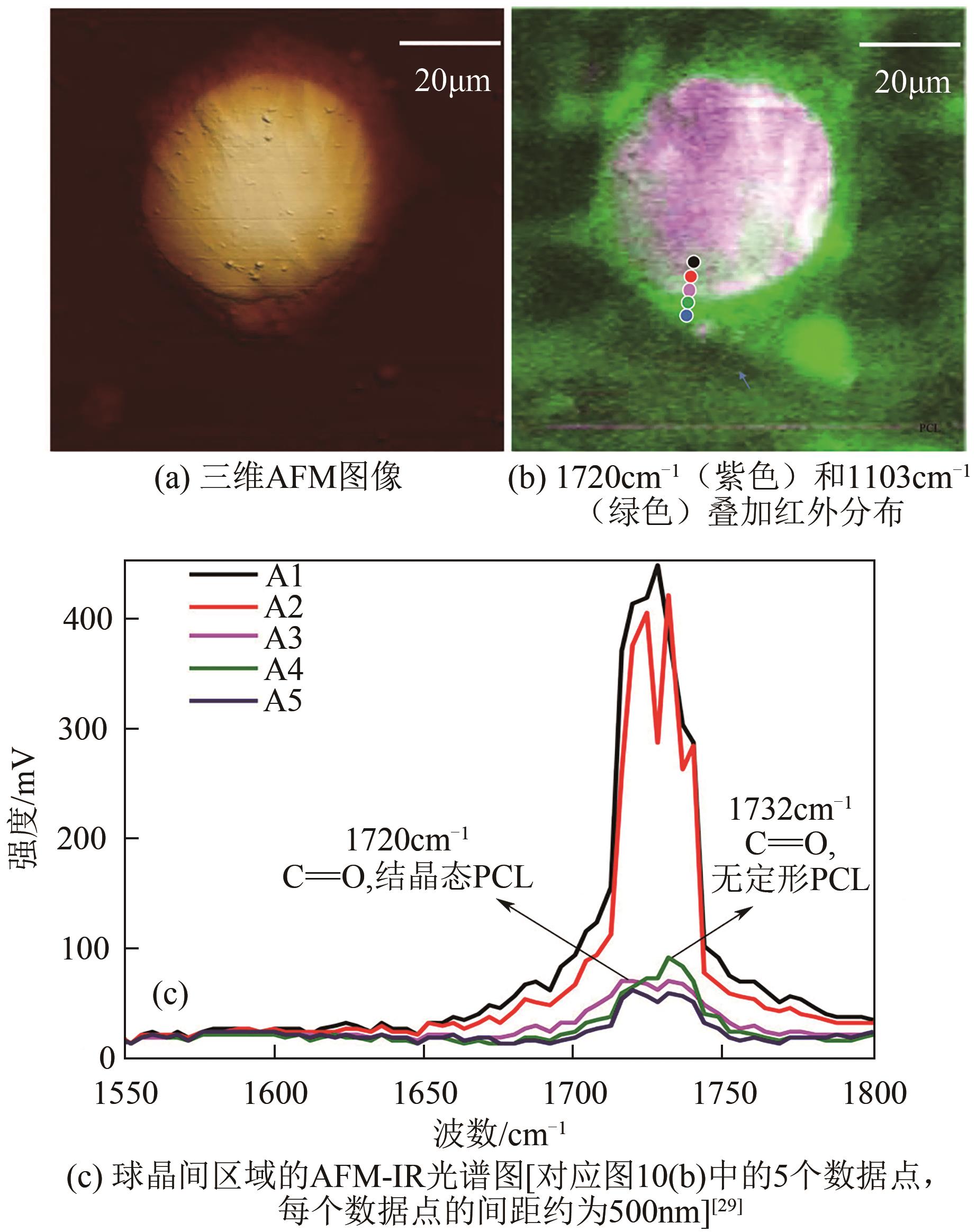
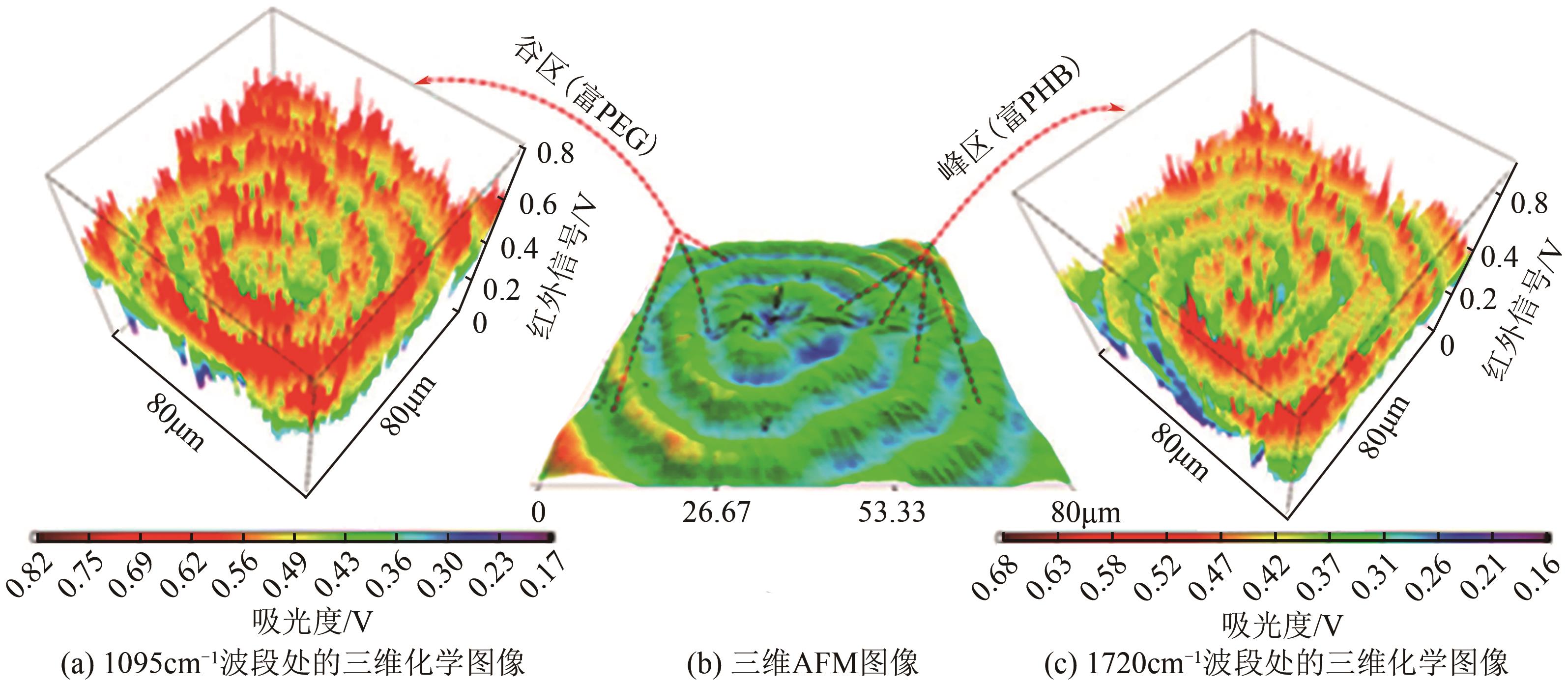
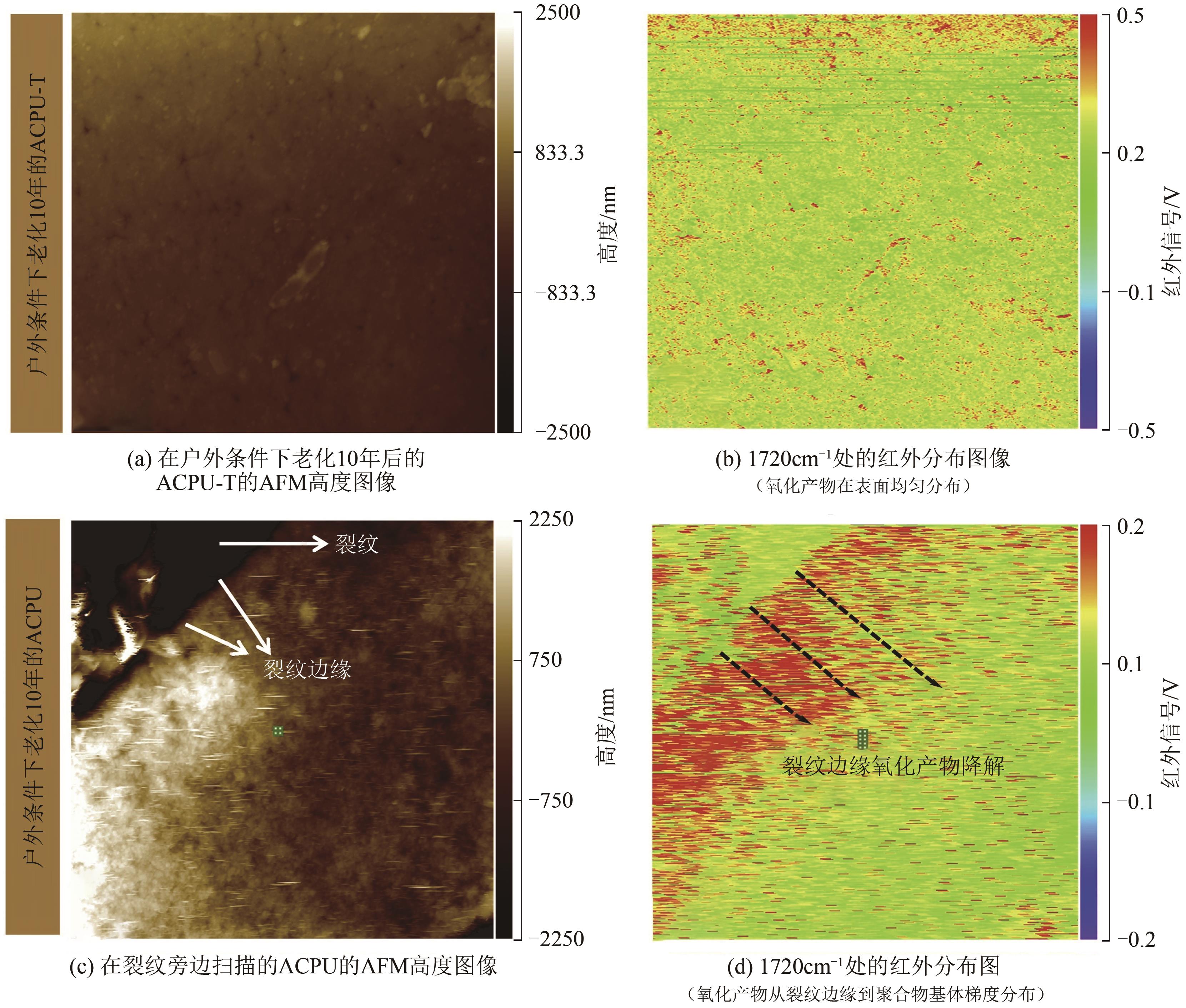
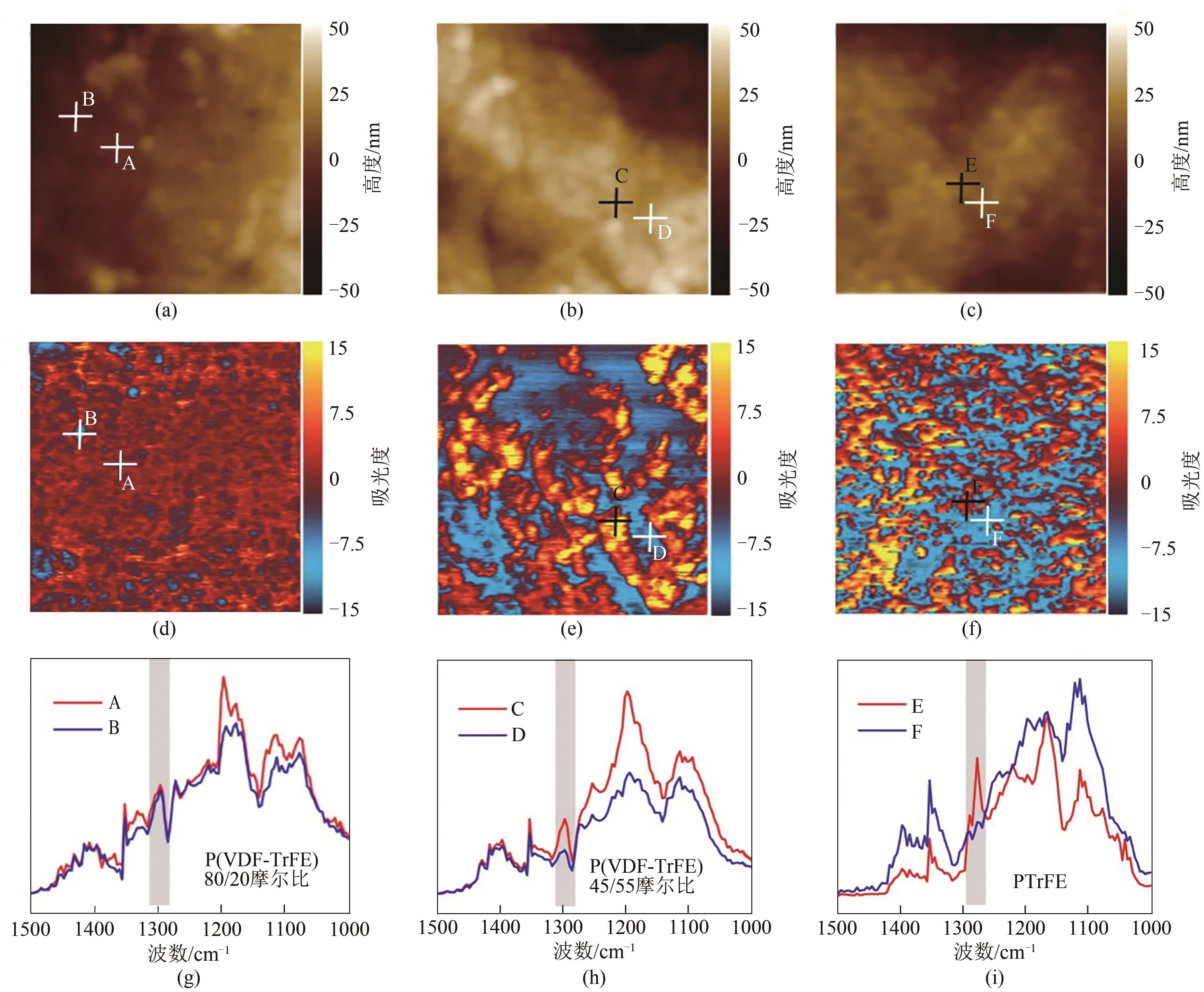
| 1 | LASCH Peter, NAUMANN Dieter. Spatial resolution in infrared microspectroscopic imaging of tissues[J]. Biochimica et Biophysica Acta (BBA): Biomembranes, 2006, 1758(7): 814-829. |
| 2 | FINDLAY C R, WIENS R, RAK M, et al. Rapid biodiagnostic ex vivo imaging at 1μm pixel resolution with thermal source FTIR FPA[J]. Analyst, 2015, 140(7): 2493-2503. |
| 3 | 王东. 原子力显微镜及聚合物微观结构与性能[M]. 北京: 科学出版社, 2022. |
| WANG Dong. Atomic force microscope and microstructure and properties of polymers[M]. Beijing: Science Press, 2022. | |
| 4 | LAHIRI Basudev, HOLLAND Glenn, CENTRONE Andrea. Chemical imaging beyond the diffraction limit: Experimental validation of the PTIR technique[J]. Small, 2013, 9(11): 1876. |
| 5 | RAMER Georg, AKSYUK Vladimir A, CENTRONE Andrea. Quantitative chemical analysis at the nanoscale using the photothermal induced resonance technique[J]. Analytical Chemistry, 2017, 89(24): 13524-13531. |
| 6 | MATHURIN Jeremie, Ariane DENISET-BESSEAU, BAZIN Dominique, et al. Photothermal AFM-IR spectroscopy and imaging: Status, challenges, and trends[J]. 2022, 131(1): 010901. |
| 7 | 王泽倩. 静电纺聚偏二氟乙烯单根纤维的内部结构研究[D]. 合肥: 中国科学技术大学, 2020. |
| WANG Zeqian. Structure of individual poly(vinylidene fluoride) electrospun nanofibers[D]. Hefei: University of Science and Technology of China, 2020. | |
| 8 | DAZZI Alexandre, PRATER Craig B. AFM-IR: Technology and applications in nanoscale infrared spectroscopy and chemical imaging[J]. Chemical Reviews, 2017, 117(7): 5146-5173. |
| 9 | Phuong NGUYEN-TRI, GHASSEMI Payman, CARRIERE Pascal, et al. Recent applications of advanced atomic force microscopy in polymer science: A review[J]. Polymers, 2020, 12(5): 1142. |
| 10 | WANG Le, WANG Haomin, XU Xiaoji G. Principle and applications of peak force infrared microscopy[J]. Chemical Society Reviews, 2022, 51(13): 5268-5286. |
| 11 | DAZZI Alexandre, PRATER Craig B, HU Qichi, et al. AFM-IR: Combining atomic force microscopy and infrared spectroscopy for nanoscale chemical characterization[J]. Applied Spectroscopy, 2012, 66(12): 1365-1384. |
| 12 | DAZZI A, PRAZERES R, GLOTIN F, et al. Local infrared microspectroscopy with subwavelength spatial resolution with an atomic force microscope tip used as a photothermal sensor[J]. Optics Letters, 2005, 30(18): 2388-2390. |
| 13 | DAZZI A, PRAZERES R, GLOTIN F, et al. Analysis of nano-chemical mapping performed by an AFM-based (“AFMIR”) acousto-optic technique[J]. Ultramicroscopy, 2007, 107(12): 1194-1200. |
| 14 | SCHWARTZ Jeffrey J, JAKOB Devon S, CENTRONE Andrea. A guide to nanoscale IR spectroscopy: Resonance enhanced transduction in contact and tapping mode AFM-IR[J]. Chemical Society Reviews, 2022, 51(13): 5248-5267. |
| 15 | DAZZI A, GLOTIN F, CARMINATI R. Theory of infrared nanospectroscopy by photothermal induced resonance[J]. 2010, 107(12): 124519. |
| 16 | WANG Haomin, XIE Qing, XU Xiaoji G. Super-resolution mid-infrared spectro-microscopy of biological applications through tapping mode and peak force tapping mode atomic force microscope[J]. Advanced Drug Delivery Reviews, 2022, 180: 114080. |
| 17 | WANG Le, WANG Haomin, WAGNER Martin, et al. Nanoscale simultaneous chemical and mechanical imaging via peak force infrared microscopy[J]. Science Advances, 2017, 3(6): e1700255. |
| 18 | PRINE Nathaniel, CAO Zhiqiang, ZHANG Song, et al. Enabling quantitative analysis of complex polymer blends by infrared nanospectroscopy and isotopic deuteration[J]. Nanoscale, 2023, 15(16): 7365-7373. |
| 19 | YE Jiping, MIDORIKAWA Hiromi, AWATANI Tadashi, et al. Nanoscale infrared spectroscopy and AFM imaging of a polycarbonate/acrylonitrile-styrene/butadiene blend[J]. Microscopy and Analysis. Europe, 2012(TN. 140): 24-27. |
| 20 | TANG Fuguang, BAO Peite, ROY Anirban, et al. In-situ spectroscopic and thermal analyses of phase domains in high-impact polypropylene[J]. Polymer, 2018, 142: 155-163. |
| 21 | 李昊轩. HDPE/SEBS/PA6三元共混物的制备及其性能研究[D]. 北京: 北京化工大学, 2021. |
| LI Haoxuan. Study on preparation and properties of HDPE/SEBS/PA6 ternary blends[D]. Beijing: Beijing University of Chemical Technology, 2021. | |
| 22 | LI Haoxuan, RUSSELL Thomas P, WANG Dong. Nanomechanical and chemical mapping of the structure and interfacial properties in immiscible ternary polymer systems[J]. Chinese Journal of Polymer Science, 2021, 39(6): 651-658. |
| 23 | TANG Fuguang, BAO Peite, SU Zhaohui. Analysis of nanodomain composition in high-impact polypropylene by atomic force microscopy-infrared[J]. Analytical Chemistry, 2016, 88(9): 4926-4930. |
| 24 | CHENG Jiugeng, ZHONG Zhenxing, LIN Yuan, et al. Miscibility of isotactic poly(1-butene)/isotactic polypropylene blends studied by atomic force microscopy-infrared[J]. Polymer, 2022, 239: 124445. |
| 25 | 程久庚, 苏朝晖. 原子力-红外光谱定量分析聚1-丁烯/聚丙烯共混物的相区组成[J]. 应用化学, 2022, 39(2): 266-271. |
| CHENG Jiugeng, SU Zhaohui. Quantitative analysis of phase composition of poly(1-butene)/polypropylene blends by atomic force microscopy-infrared[J]. Chinese Journal of Applied Chemistry, 2022, 39(2): 266-271. | |
| 26 | LI Tiantian, CHENG Sibo, FENG Lianfang, et al. Measuring the interfacial thickness of immiscible polymer blends by nano-probing of atomic force microscopy[J]. Chinese Journal of Polymer Science, 2022, 40(4): 421-430. |
| 27 | GONG Liang, Bruce CHASE D, NODA Isao, et al. Discovery of β-form crystal structure in electrospun poly[(R)-3-hydroxybutyrate-co-(R)-3-hydroxyhexanoate] (PHBHx) nanofibers: From fiber mats to single fibers[J]. Macromolecules, 2015, 48(17): 6197-6205. |
| 28 | GONG Liang, Bruce CHASE D, NODA Isao, et al. Polymorphic distribution in individual electrospun poly[(R)-3-hydroxybutyrate-co-(R)-3-hydroxyhexanoate] (PHBHx) nanofibers[J]. Macromolecules, 2017, 50(14): 5510-5517. |
| 29 | NGUYEN TRI Phuong, PRUD’HOMME Robert E. Crystallization and segregation behavior at the submicrometer scale of PCL/PEG blends[J]. Macromolecules, 2018, 51(18): 7266-7273. |
| 30 | HE Yong, INOUE Yoshio. Novel FTIR method for determining the crystallinity of poly(ε-caprolactone)[J]. Polymer International, 2000, 49(6): 623-626. |
| 31 | NGUYEN TRI Phuong, PRUD’HOMME Robert E. Nanoscale lamellar assembly and segregation mechanism of poly(3-hydroxybutyrate)/poly(ethylene glycol) blends[J]. Macromolecules, 2018, 51(1): 181-188. |
| 32 | NGUYEN Thien Vuong, LE Xuan Hien, Phi Hung DAO, et al. Stability of acrylic polyurethane coatings under accelerated aging tests and natural outdoor exposure: The critical role of the used photo-stabilizers[J]. Progress in Organic Coatings, 2018, 124: 137-146. |
| 33 | LIU Yang, ZHANG Bing, XU Wenhan, et al. Chirality-induced relaxor properties in ferroelectric polymers[J]. Nature Materials, 2020, 19: 1169-1174. |
| 34 | LIU Yang, YANG Tiannan, ZHANG Bing, et al. Structural insight in the interfacial effect in ferroelectric polymer nanocomposites[J]. Advanced Materials, 2020, 32(49): e2005431. |
| 35 | YAO Heng, XIA Zhaoyue, WANG Jing, et al. Porous, self-polarized ferroelectric polymer films exhibiting behavior reminiscent of morphotropic phase boundary induced by size-dependent interface effect for self-powered sensing[J]. ACS Nano, 2024, 18(13): 9470-9485. |
| 36 | ZHOU Zheng, DU Xiangxin, LUO Jikui, et al. Coupling of interface effects and porous microstructures in translucent piezoelectric composites for enhanced energy harvesting and sensing[J]. Nano Energy, 2021, 84: 105895. |
| 37 | ZHANG Weidong, ZHAO Qing, HOU Yunpeng, et al. Dynamic interphase-mediated assembly for deep cycling metal batteries[J]. Science Advances, 2021, 7(49): eabl3752. |
| 38 | SHI Peiran, MA Jiabin, LIU Ming, et al. A dielectric electrolyte composite with high lithium-ion conductivity for high-voltage solid-state lithium metal batteries[J]. Nature Nanotechnology, 2023, 18(6): 602-610. |
| 39 | AN Xufei, LIU Yang, YANG Ke, et al. Dielectric filler-induced hybrid interphase enabling robust solid-state Li metal batteries at high areal capacity[J]. Advanced Materials, 2024, 36(13): 2311195. |
| 40 | JIANG Xiaofen, LIU Baoze, WU Xin, et al. Top-down induced crystallization orientation toward highly efficient p-i-n perovskite solar cells[J]. Advanced Materials, 2024, 36(24): 2313524. |
| 41 | YANG Ke, MA Jiabin, LI Yuhang, et al. Weak-interaction environment in a composite electrolyte enabling ultralong-cycling high-voltage solid-state lithium batteries[J]. Journal of the American Chemical Society, 2024, 146(16): 11371-11381. |
| 42 | WU Qian, FANG Mandi, JIAO Shizhe, et al. Phase regulation enabling dense polymer-based composite electrolytes for solid-state lithium metal batteries[J]. Nature Communications, 2023, 14: 6296. |
| 43 | 司志祥. 有机无机杂化钙钛矿薄膜及太阳能电池的湿度降解机制研究[D]. 北京: 北京工业大学, 2020. |
| SI Zhixiang. Study on the moisture degradation mechanism of organic-inorganic hybrid perovskite films and perovskite solar cells[D]. Beijing: Beijing University of Technology, 2020. | |
| 44 | DAZZI A, PRAZERES R, GLOTIN F, et al. Chemical mapping of the distribution of viruses into infected bacteria with a photothermal method[J]. Ultramicroscopy, 2008, 108(7): 635-641. |
| 45 | 鲁瑶. 微米纳米尺度下人类头发结构成分的红外谱学显微研究[D]. 上海: 中国科学院大学(中国科学院上海应用物理研究所), 2022. |
| LU Yao. Infrared microspectroscopic study of human hair structure and components at micro and nano scale[D]. Shanghai: Shanghai Institute of Applied Physics, Chinese Academy of Sciences, 2022. | |
| 46 | 鲁瑶, 彭蔚蔚, 吉特, 等. 基于红外纳米谱学技术的人类头发黑素体研究[J]. 核技术, 2022, 45(4): 3-10. |
| LU Yao, PENG Weiwei, JI Te, et al. Apply infrared nano-spectroscopy to the study of human hair melanosomes[J]. Nuclear Techniques, 2022, 45(4): 3-10. | |
| 47 | LUO Hongwei, XIANG Yahui, ZHAO Yaoyao, et al. Nanoscale infrared, thermal and mechanical properties of aged microplastics revealed by an atomic force microscopy coupled with infrared spectroscopy (AFM-IR) technique[J]. Science of the Total Environment, 2020, 744: 140944. |
| 48 | LI Yu, ZHANG Chuanming, TIAN Zhenyu, et al. Identification and quantification of nanoplastics (20—1000nm) in a drinking water treatment plant using AFM-IR and Pyr-GC/MS[J]. Journal of Hazardous Materials, 2024, 463: 132933. |
| [1] | WANG Peigan, LI Leli, XIE Songzhuan, SONG Bingbing, KONG Qiaoping, LIU Gaige, MA Weiwei, SHI Xueqing. Phosphate adsorption mechanism of sludge-based FeCa-ALE composite material [J]. Chemical Industry and Engineering Progress, 2025, 44(4): 2365-2373. |
| [2] | XUE Lixin, DONG Yongping, CHEN Mengyao, GAO Congjie. Synergistic regulation mechanism of sodium dodecyl sulfate (SDS) and strong base (NaOH) on polyamide composite nanofiltration memrbanes [J]. Chemical Industry and Engineering Progress, 2025, 44(4): 2225-2237. |
| [3] | DENG Xuefei, LYU Kaihe, LI Jian, SUN Jinsheng, FAN Junhao, LIAO Ting, HUANG Ning. Research status and development trend of polymer fluid loss reducer for ultra-deep drilling fluid [J]. Chemical Industry and Engineering Progress, 2025, 44(4): 2119-2132. |
| [4] | SONG Ci, LI Haiyan, ZHANG Shizhen, LIU Hongwei, ZHANG Jianying, QIU Jiahao, CAO Renwei, SUN Kun, QIN Ying, ZHU Mingxu, GAO Mengyan. Types and application status of the self-repairing anti-corrosion coatings [J]. Chemical Industry and Engineering Progress, 2025, 44(3): 1466-1484. |
| [5] | XUE Bingfeng, ZHANG Ye, ZHANG Shiyuan, FU Peng, CUI Zhe, ZHANG Yuancheng, LI Xin, PANG Xinchang, ZHAO Wei, ZHANG Xiaomeng, LIU Minying. Preparation and characterization of polyamide PA12T by direct solid state polymerization [J]. Chemical Industry and Engineering Progress, 2025, 44(3): 1559-1569. |
| [6] | LIU Junjie, WU Jianmin, SUN Qiwen, WANG Jiancheng, SUN Yan. Research of metallocene catalysts for linear α-olefins polymerization to obtain high molecular weight products [J]. Chemical Industry and Engineering Progress, 2025, 44(3): 1309-1322. |
| [7] | BAO Yan, LU Jinhong, GAO Lu, GUO Ruyue, LIU Chao. Research progress on superamphiphobic surfaces and their reentrant structures [J]. Chemical Industry and Engineering Progress, 2025, 44(3): 1406-1416. |
| [8] | ZHANG Aijing, WANG Zhenyu, XIAO Ningning, SONG Yanna, LI Jun, FENG Jiangtao, YAN Wei. Research progress on novel adsorption materials for mercury ion [J]. Chemical Industry and Engineering Progress, 2025, 44(2): 899-913. |
| [9] | LI Jun, ZHANG Yu, WU Xinyu, LIAN Hailan. Research progress on the use of natural compounds in photoinitiating systems [J]. Chemical Industry and Engineering Progress, 2025, 44(2): 941-956. |
| [10] | WANG Xiangpeng, ZHENG Yunxiang, ZHANG Chunxiao, CHEN Chunmao. Preparation and application of carbon dots hybrid hydrogels [J]. Chemical Industry and Engineering Progress, 2025, 44(1): 305-318. |
| [11] | WAN Lixiang, CUI Jinfeng, GUO Junhong, BAO Xuemei, YANG Baoping. Preparation and properties of polyamic acid-polyurethane block copolymers and thermoimide elastomers [J]. Chemical Industry and Engineering Progress, 2025, 44(1): 398-406. |
| [12] | CHEN Muhua, JI Zhen, WANG Fang, HUANG Kaijian, FU Bo, LIU Bo, LIU Shaozhong, ZHU Xinbao. Synthesis and properties of cellulose based copolymer polycarboxylate superplasticizer [J]. Chemical Industry and Engineering Progress, 2024, 43(S1): 564-570. |
| [13] | GAO Jixing, DING Yumei, ZHANG Chao, TAN Jing, DING Xi, LI Haoyi, YANG Weimin. Preparation and properties of PLA/PCL micro-nano fiber membrane by melt differential electrospinning [J]. Chemical Industry and Engineering Progress, 2024, 43(S1): 457-468. |
| [14] | XUE Lixin, TU Longdou, LI Shiyang, ZHENG Chenchen, CAI Dajian, GAO Congjie. High efficient dye desalting mixed matrix nanofiltration membranes containing in-situ grown ZIF-L particles in polyethyleneimine (PEI) coating before interface polymerization [J]. Chemical Industry and Engineering Progress, 2024, 43(S1): 431-442. |
| [15] | WANG Yuhua, ZHOU Xue, GU Chuantao. Recent advances in regioregular polymerized small-molecule acceptors for high-performance all-polymer solar cells [J]. Chemical Industry and Engineering Progress, 2024, 43(S1): 391-402. |
| Viewed | ||||||
|
Full text |
|
|||||
|
Abstract |
|
|||||